Media & Archives
Twelve Labs and Pixeltable: Long-Form Video Discovery
Twelve Labs paired Marengo 3.5 and Pegasus 1.5 with Pixeltable in CuratorAI. Here is how scene embeddings, Pegasus attributes, and catalog sync work.
TL;DR
On November 10, 2026, Twelve Labs described CuratorAI: Pixeltable stores Marengo 3.5 scene embeddings and Pegasus 1.5 attributes on insert, then serves For You rows and cross-creator search without calling the API on every page load.
On November 10, 2026, Twelve Labs published a walkthrough of long-form video discovery built from Marengo 3.5 embeddings, Pegasus 1.5 structured attributes, and Pixeltable, an open source multimodal data layer. The post centers on CuratorAI, a demo that streams Twelve Labs assets, indexes every scene on insert, and serves a personalized For You row without calling Twelve Labs again on each page load. For enterprise teams comparing video search APIs and archive discovery stacks, the architecture is the news: models on ingest, vectors beside the catalog, product on read.
What problem is Twelve Labs trying to solve?
Most creator platforms still rank libraries on metadata, view counts, and upload dates, according to Twelve Labs. Recent uploads float to the top while strong older videos disappear. Cross-creator discovery stays shallow because two essays on the same idea rarely share a title or tag. The post cites Substack TV, which launched a beta app in January 2026 with a For You row while listing search and improved discovery as upcoming work (Twelve Labs post).
Twelve Labs argues that content-based ranking needs two layers:
- Understanding — what happens in each scene (Marengo embeddings plus Pegasus Analyze output).
- Catalog sync — keeping that understanding current as videos and models change, and serving it fast on every page load (Pixeltable).
That split mirrors what we described for Ceivo and Twelve Labs on governed media archives, but CuratorAI targets recommendation rows and explainable surfacing, not rights management.
How does CuratorAI combine Twelve Labs and Pixeltable?
CuratorAI has three parts in the diagram Twelve Labs ships: a Next.js frontend, a Pixeltable backend, and Twelve Labs for models plus hosted video assets (HLS streams, thumbnails, custom metadata).
| Component | Role in the demo |
|---|---|
| Marengo 3.5 | Embeds video, audio, text, and image queries in one space; scene vectors power similarity search |
| Pegasus 1.5 | Analyze API returns structured topics, style, and tone JSON per video (up to two hours per request) |
| Twelve Labs assets | Playback source and metadata (creator, category, upload date) at load time |
| Pixeltable | Runs pipelines on insert, stores embedding indexes, serves recommendations over HTTP |
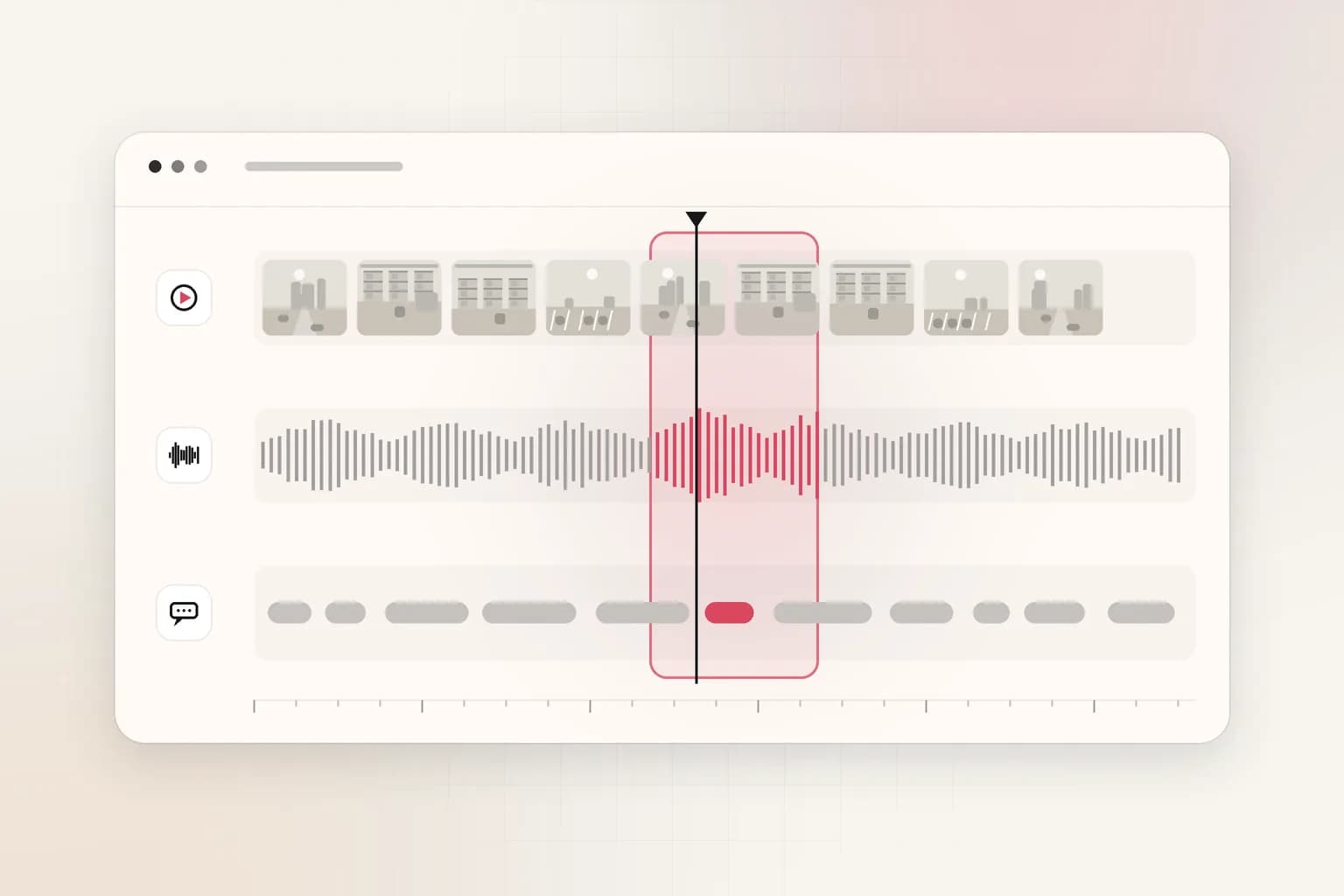
Twelve Labs states the app calls its APIs when a video is inserted, not when a page loads. On insert each title gets one Analyze call, one Marengo embedding for the title text, and one Marengo vector per scene. Search embeds the query with Marengo at query time. A recommendation request makes no Twelve Labs call, and the post says results return in about a second.
Why are scenes the unit of discovery?
A 40-minute interview can jump from biography to business strategy to a performed song. If you embed only the whole file, a search for music culture might miss a segment that never appears in the title.
CuratorAI detects scene cuts on insert, splits the file in a Pixeltable view, and indexes each clip. The demo corpus has 25 videos, about 11.6 hours of footage, split into 476 scenes (Twelve Labs post).
The matching logic is scene in, video out: similarity runs on scene vectors, but the UI recommends whole videos. Two scenes from something you watched can pull in two different titles.
For operations teams, the same pattern applies outside media apps: index short spans inside long shift recordings or drone flights, then return the parent clip for review. Our guide on finding a moment in hours of CCTV walks through that workflow on security footage.
How does Marengo indexing handle long scene clips?
Twelve Labs documents a 30-second limit for synchronous Marengo 3.5 embed calls. Longer scene clips use async_embed_asset, which runs an embedding task in the Embed API and returns one vector for the clip's video and audio. Text and image queries still use the synchronous embed path.
That detail matters for capacity planning: a catalog refresh that re-embeds hundreds of scenes will queue async jobs, while interactive search stays on synchronous query embeddings.
What does Pegasus store on each video?
On insert, Pixeltable calls the Analyze API once via a user-defined function and stores Pegasus output as columns on the video row. The payload references the Twelve Labs asset ID, so the bytes are not uploaded twice.
The prompt asks for:
- A list of topics
- One of eight styles (interview, documentary, explainer, and others listed in the post)
- One of six tones (serious, contemplative, and others)
Fixed enums keep attributes comparable across the catalog. Recommendations then use templates, not a generative model, for explanations such as matching interview format and serious tone between two titles.
What four discovery features does the demo ship?
Twelve Labs groups the product surface into four features, each mixing Marengo similarity with Pixeltable queries:
How does the For You row work?
The home row seeds from the five most recently watched videos. For each, the app reads up to two scene vectors and queries the scene index. Python ranks results with a 70% / 30% split between creators you already follow and new creators, and caps any single creator at two slots. Watching more videos adds more query seeds, so the row changes session to session.
How does deep catalog surfacing work?
On a creator page, the same scene query runs with a creator filter. A Recommended from this creator row ranks the back catalog by similarity to what you watched, not by upload date.
How does cross-creator discovery work?
On the watch page, Up Next searches with the current video's scene vectors across the entire catalog, surfacing similar ideas from other channels.
How are recommendations explained?
Each card carries a short line built from Pegasus attributes of the source video and the candidate. Twelve Labs stresses that this is template-based copy tied to stored fields, so it adds no extra model latency.
The live demo linked from the post lets you watch a few videos and see the For You row change when you return home.
How does text search behave in the demo?
The search page accepts text, image, video clip, or audio as the query embed input. Twelve Labs gives a concrete example: a text search for music culture returns Vox Earworm episodes about smooth jazz, Stravinsky, and song fade-outs even when those words never appear in titles (Twelve Labs post).
That is the same user expectation behind enterprise natural language video search, applied to creator catalogs instead of NVR exports.
How does this compare with building on Twelve Labs only?
Twelve Labs pricing and plans target developers who call Marengo and Pegasus directly. CuratorAI adds the product chores Twelve Labs does not sell: scene splitting, embedding indexes beside rows, recommendation ranking rules, and a frontend.
| Question | Twelve Labs plus Pixeltable (CuratorAI pattern) | Ceptory |
|---|---|---|
| Who builds the app? | Your team clones the demo and owns ranking rules | Dashboard and API ready for recorded video you upload or link |
| Where video lives | Twelve Labs assets in the demo; your storage in production | Upload or URL via API; no camera hardware required |
| Search signals | Marengo multimodal embeddings plus Pegasus JSON attributes | Natural language search across scenes, speech, and on-screen text |
| Pricing shape | Twelve Labs plan caps plus Pixeltable ops you run | Prepaid per minute indexed plus per-query search (pricing) |
See the neutral fact table on our Ceptory vs Twelve Labs page before you commit to either path. Choose Twelve Labs and Pixeltable when you are shipping a custom catalog product and want open source control of the data plane. Choose Ceptory when you need investigation and archive search on footage you already export from a VMS, drone program, or newsroom without standing up CuratorAI.
What should archive and security teams do now?
If you evaluate this stack for media archives, treat CuratorAI as an architecture reference, not a supported product:
- Inventory clip length — count how many scenes exceed Marengo's synchronous embed window and budget async Embed API queue time.
- Define attribute schema early — Pegasus prompts with fixed enums, like CuratorAI's style and tone lists, keep explainable rows stable.
- Separate playback from search — the demo streams from Twelve Labs assets but queries Pixeltable indexes; plan the same split if sources stay on-prem.
- Pilot on a labeled subset — run insert pipelines on 50 to 100 hours and measure whether scene recall beats filename search for your editors or investigators.
- Document chain of custody — store which model version produced each embedding when legal or compliance asks.
For automated archival retrieval inside a newsroom or post-production shop, pair any embedding stack with permissions and export rules before agents touch masters.
Related: Pegasus 1.5 is also now generally available in Snowflake, see Pegasus 1.5 in Snowflake Cortex: video analysis from SQL.
Where does Ceptory fit honestly?
Ceptory does not replicate CuratorAI's recommendation UI. It indexes recorded video you provide, then lets teams search in natural language across visual scenes, spoken words, and on-screen text from the dashboard or the video intelligence API. There is no Twelve Labs or Pixeltable integration in the product today.
If your problem is find the moment inside exported evidence or operations footage, start with search features and a small index pilot. If your problem is creator-style For You rows on a proprietary catalog, Twelve Labs plus Pixeltable is closer to the reference architecture in this launch post.
Further reading: Twelve Labs links CuratorAI source code and a live demo from its post, and Pixeltable documents working with Twelve Labs for Marengo embedding indexes. Test discovery quality on your own captions before you promise executives a Spotify-style video home page.
Frequently asked questions
What did Twelve Labs announce with Pixeltable on November 10, 2026?
Twelve Labs published a partnership post showing CuratorAI: a demo app where Pixeltable runs Marengo 3.5 embeddings and Pegasus 1.5 structured attributes when videos are inserted, then serves recommendations from stored vectors without new model calls on each page view.
Why does CuratorAI index scenes instead of whole files?
Long-form videos cover many topics. Twelve Labs says scene-level Marengo vectors let search match one segment, such as a song inside an interview, while still recommending the full video to watch.
When does CuratorAI call Twelve Labs APIs?
On insert: one Pegasus Analyze call per video, Marengo embeddings per scene, and Marengo for search queries. Recommendations and most browsing read Pixeltable embedding indexes only, so Twelve Labs says responses land in about a second.
How does this differ from using Twelve Labs alone?
Twelve Labs supplies models and hosted assets. Pixeltable is the open source catalog layer that keeps vectors and Pegasus JSON beside rows, recomputes on catalog changes, and exposes HTTP routes for a product frontend.
Where does Ceptory fit if you are not building CuratorAI?
Ceptory is a finished video intelligence platform with dashboard search across scenes, speech and on-screen text, plus a REST API. It fits teams that want indexing and search without assembling Pixeltable, Marengo, and a custom app layer.
Can Pegasus handle full-length episodes in one request?
Twelve Labs states Pegasus accepts videos up to two hours long in a single Analyze API request, which covers one full episode per insert in the demo architecture.
Ceptory
Search your own footage in plain language. The free tier indexes 60 minutes of video.
Related reading
Keep reading
Comparisons · 8 min read
Video Intelligence API Alternatives: Google, AWS, Azure & More
Read article
Media & Archives · 8 min read
Twelve Labs and Ceivo: Governed AI Media Asset Management
Read article
Security & Surveillance · 8 min read