Media & Archives
Twelve Labs and Ceivo: Governed AI Media Asset Management
Ceivo pairs Twelve Labs Marengo and Pegasus with MCP access, permissions and brand checks for media libraries. What it does, and what to test first.
TL;DR
Twelve Labs described how Ceivo, an AI media asset management platform, uses Marengo for search and Pegasus for scene descriptions, with MCP access, permissions and a brand toolkit on top. Here is what was announced, what is vendor claim, and how to evaluate it.
On October 29, 2026, Twelve Labs published a write-up of how Ceivo, which it calls "an AI-driven media asset management (MAM) platform," combines its video models with governed access for media libraries, in AI Media Asset Management with Ceivo and TwelveLabs. The Ceivo and Twelve Labs pairing splits the job in two: Twelve Labs provides the video understanding (Marengo for indexing and search, Pegasus for scene reasoning), and Ceivo provides the permissions, brand rules, audit trail and agent access around it.
For anyone who owns a large video archive, the interesting part is not another search box. It is the claim that understanding and governance should be separate layers, and that AI agents should reach the library through a controlled interface. This post explains what the write-up says, which parts are the vendors' own claims, how it compares with other approaches, and how to evaluate a similar setup.
What did Twelve Labs and Ceivo announce?
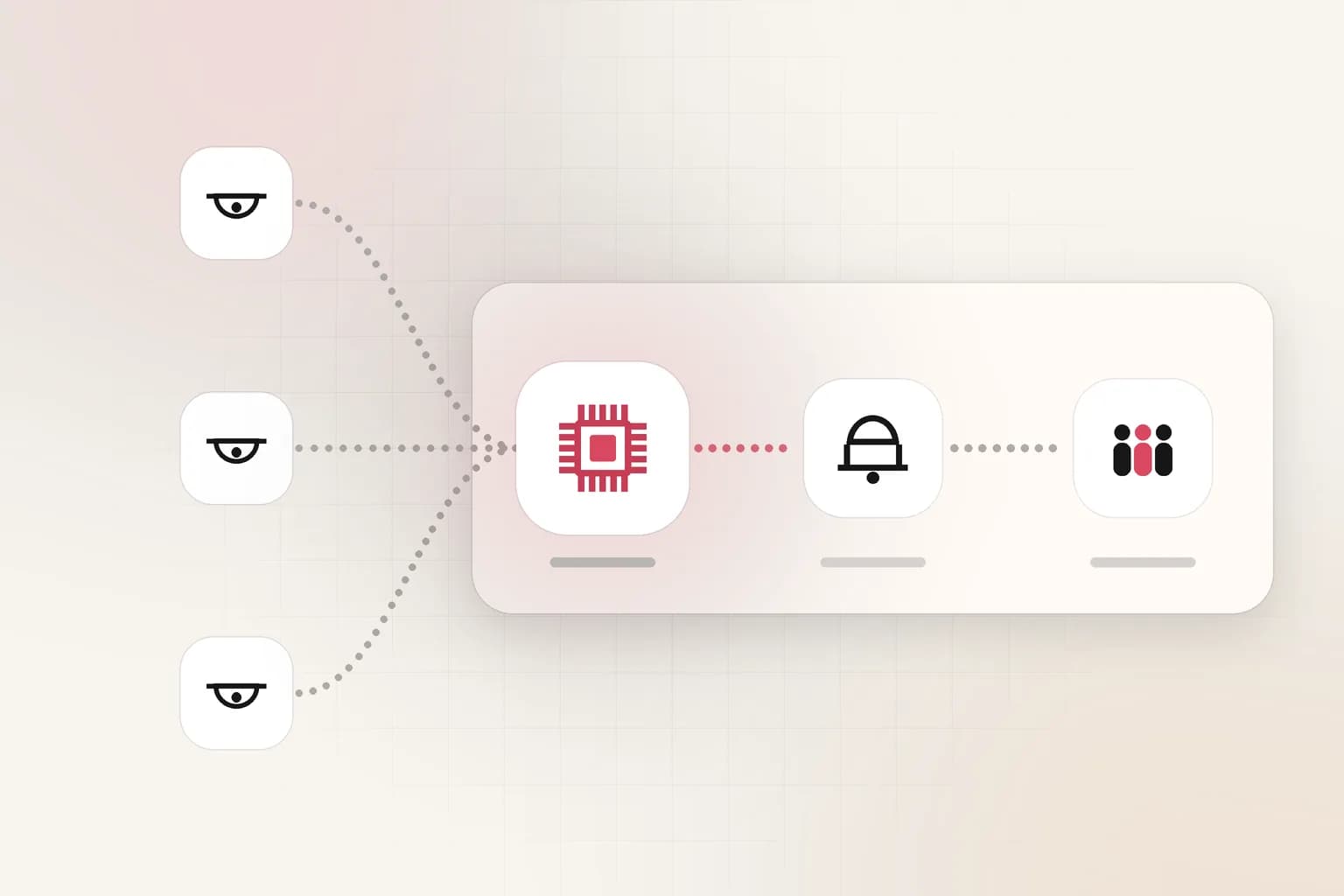
They described an integration, not a new model. According to Twelve Labs, Ceivo "governs access to the video library and checks content against brand rules," and connects to Amazon S3, other clouds, private storage and on-prem systems through Signiant, presenting them as one view. TwelveLabs supplies the understanding layer. The post uses an analogy: TwelveLabs is the engine and Ceivo is the car.
The stated goal is one layer per function instead of a stack of point solutions, each with its own model, retraining and cloud. The post is published by a vendor about a partner, so read the claims as claims. It names no customer, gives no accuracy benchmark and no pricing.
How does search work in the integration?
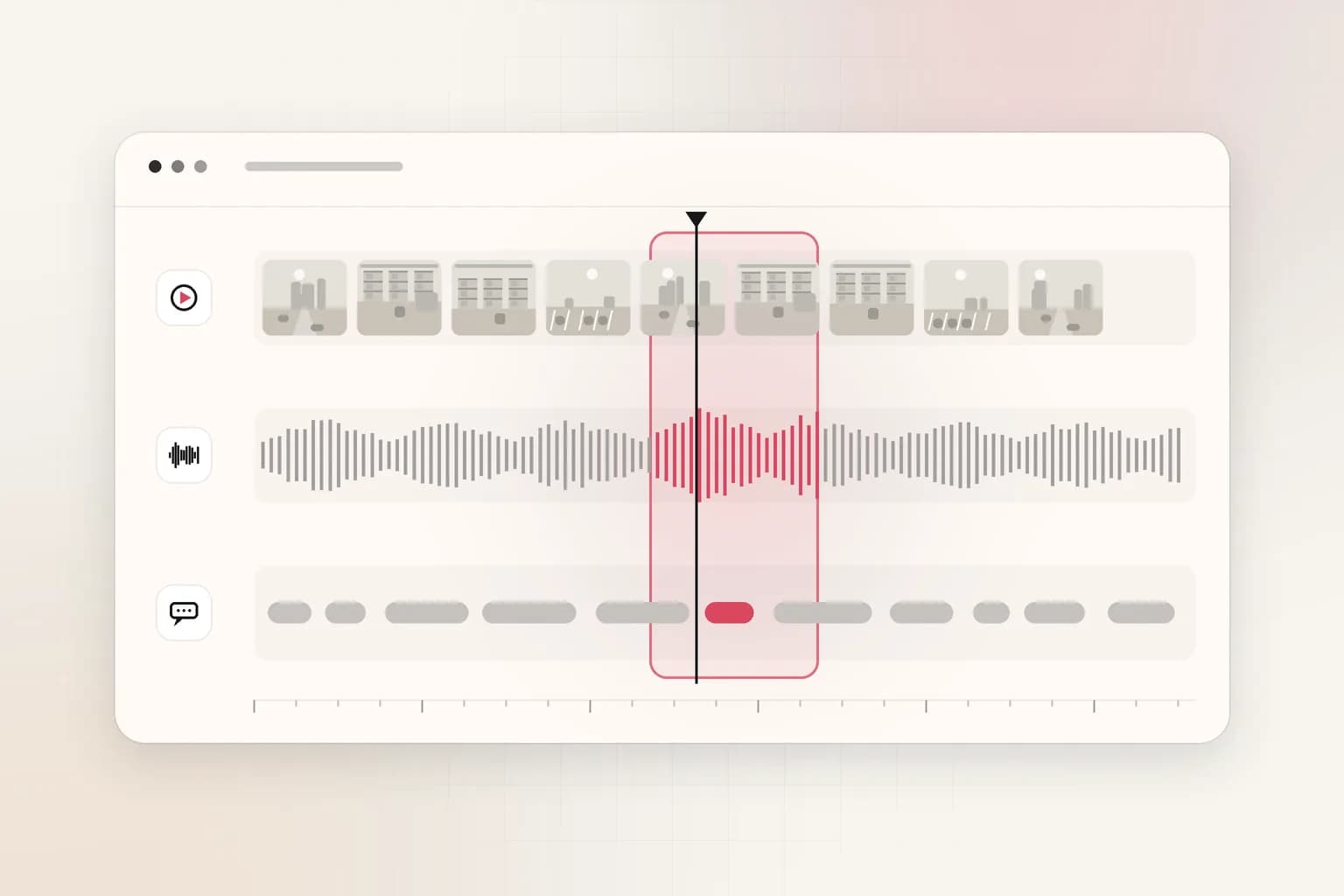
Users search with a plain-language description or a reference image, powered by Marengo. Results appear on a frame-accurate timeline with markers for logos, black frames, transitions and ad breaks, plus a scene list with Pegasus descriptions. Editors can run searches from a Ceivo panel inside Adobe Premiere.
The post gives example use cases: marketing searching a 50-year archive, brand teams catching AI-generated promos with the wrong characters, and legal tracing shots back to their sources. It adds that legal can query Ceivo from Copilot without logging into the asset management system.
This is the same pattern we describe in media asset intelligence for automated archival: index the footage once, then retrieve moments instead of files.
How do AI agents get access, and why does it matter?
Ceivo exposes the library through the Model Context Protocol (MCP), which assistants and agents use to reach enterprise systems. The write-up lists four controls:
- Permissions. Each user or agent sees only the part of the library they are allowed to access.
- A knowledge layer. When an assistant connects, Ceivo gives it a summary of its permitted slice, so the assistant spends fewer tokens exploring.
- Chain of custody. Every user and agent action is recorded.
- Specific roles. The post's closing takeaway is to give agents specific roles and permissions.
If you let an AI assistant loose on an unreleased-footage archive, the risk is not search quality, it is who the assistant can see on behalf of whom. Scoping the view per user and logging every action is the right shape of answer. Whether Ceivo's implementation is sound is not something a vendor blog post can show; ask for an access-control walkthrough and the audit log format.
What is the brand toolkit and partner portal?
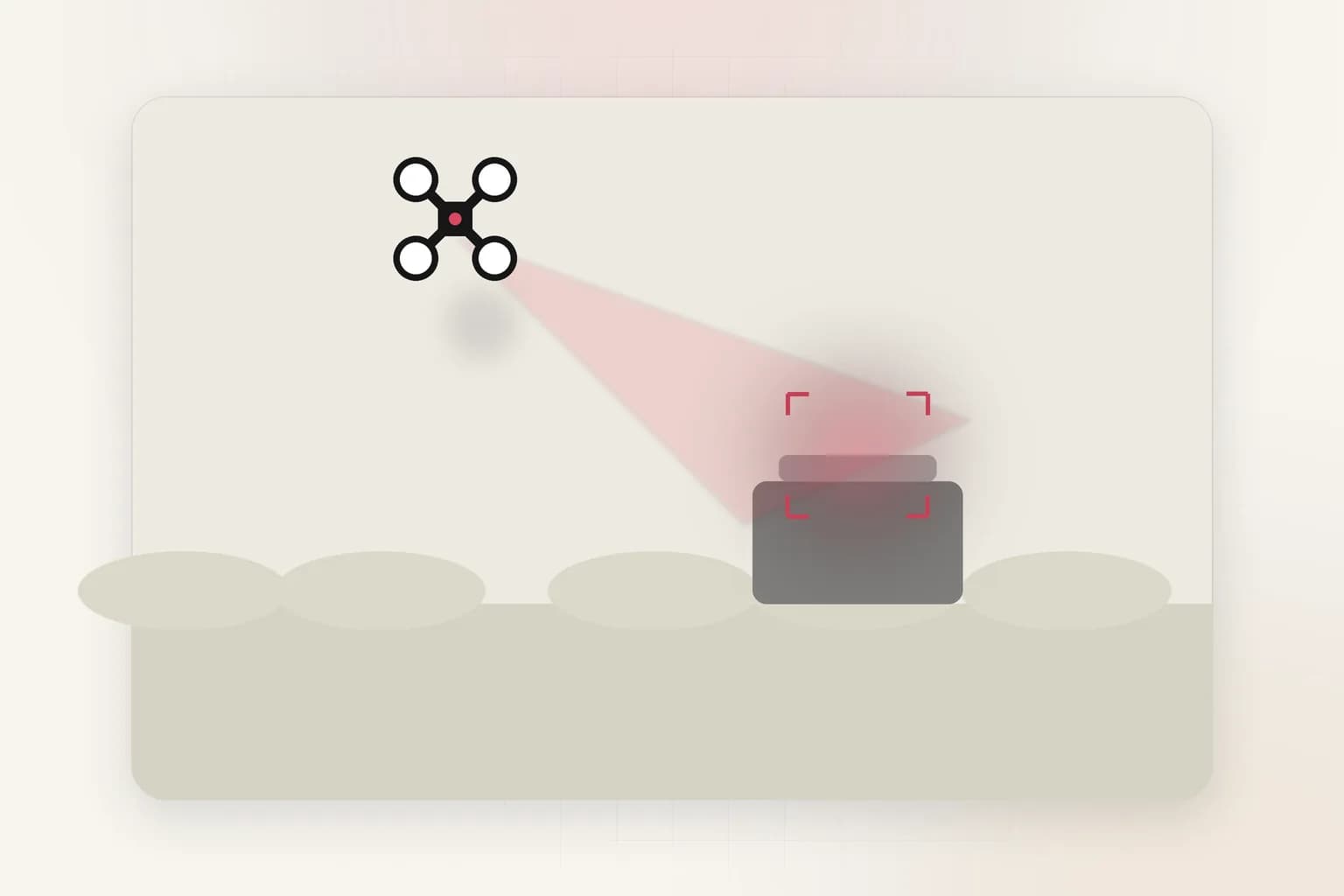
The Brand Toolkit stores approved characters, products and permitted contexts. Ceivo can generate it from existing documents using AI, and teams can set rules such as which characters may appear together. Agents then check content against the toolkit through MCP using plain-language rules that teams can edit. Findings appear on the timeline: unapproved characters, potential MPAA violations, visible trademarks and background music, and a compliance report summarizes them.
The Partner Portal, called Ceivo Atrium, is a branded portal for licensees. Agents scan submitted content for alterations, brand violations and viruses. The post's example: a poster with a Ford logo is flagged unless Ford is in the show's approved logo kit. Submitters see what was flagged and where, and can fix it or submit anyway. A per-partner dashboard tracks failed checks, including AI-generated errors. The example series in the post has 20 seasons licensed to hundreds of partners worldwide.
Why does Twelve Labs talk about model testing?
Because cost and accuracy vary by library. Ceivo's Model Testing estimates indexing cost and time for each model on the customer's own content. The post says content density matters: a slow drama might need 4 to 5 shots per minute, while high-action sports might need 8 to 9.
It also reports one test: on a single clip, Pegasus was "one of only two models that reported the characters accurately," and the others invented a character who was not there. One clip is an anecdote, not a benchmark, but the lesson is sound. Hallucinated characters in a scene description are exactly the failure that matters in brand review.
The offer attached is an 8-week pilot: week one covers setup and library ingestion, and the next three weeks cover building three agents for the customer's use case, at no charge (details at ceivo.com/lfg, per the post).
What questions should you ask any vendor in this space?
The same checklist applies whether you are looking at Ceivo, another MAM or a model API, because the write-up leaves several things open:
- Where do the embeddings and indexes live? The post says Ceivo connects to S3, other clouds, private storage and on-prem systems, but not where Twelve Labs processing happens. If your footage is unreleased or contractually restricted, this decides whether you can use the product at all. Our guide to cloud, private cloud and on-premise deployment lists the trade-offs.
- How is a false finding handled? A compliance report that flags a trademark or an unapproved character will sometimes be wrong in both directions. Ask how reviewers confirm, override and record a decision.
- What does re-indexing cost? Models change. Ask what it takes to re-run the library when a newer model ships, and who pays.
- Who owns the rules? The post says teams can edit plain-language rules. Ask whether rule changes are versioned, so you can say which rule version approved a given asset.
- What happens to agent mistakes? The chain of custody records what an agent did; ask whether actions can be reversed.
None of these are criticisms of Ceivo specifically. They are the questions that separate a demo from a deployment, and they are the ones the pilot should answer.
How does this compare with other ways to search a media archive?
| Approach | What you get | What you still build or buy |
|---|---|---|
| MAM with embedded AI (Ceivo with Twelve Labs) | Search, brand rules, permissions, audit trail, partner portal | A MAM deployment and its integrations |
| Model API (Twelve Labs directly) | Marengo and Pegasus through a developer API and Amazon Bedrock, per Twelve Labs | The product layer: UI, indexes, review workflow |
| Video intelligence platform (Ceptory) | Indexes, natural-language search across scenes, speech and on-screen text, dashboard and REST API | Your own rights, brand and approval workflow |
Twelve Labs lists plans from Free to Enterprise on its pricing page. Ceptory's comparison with it is at Ceptory vs Twelve Labs: choose a model API when you want to build the product layer yourself, and a finished platform when you want to search footage this week. Choose a MAM like Ceivo when governance, licensing and partner workflows are the main problem.
Where does Ceptory fit?
Ceptory is a video intelligence platform: index recorded video from uploads or URLs, search it in natural language, and analyze it from the dashboard or REST API. Pricing is $0.042 per minute indexed plus $0.0015 per minute infrastructure, search at $4 per 1,000 queries, with the first 10 minutes of indexing free (pricing). It has no SDKs, and no MAM, rights management or partner portal. If you need those, a MAM is the right tool, and some teams will use both: a governed library plus a fast way to search.
For related reading, see our Twelve Labs and Pixeltable long-form discovery walkthrough (November 2026), the video intelligence platform guide, the piece on video intelligence versus storage, and the search feature page.
What should you do now?
- Inventory the archive. Hours, formats, where it lives, and who may see which parts. Our video file size calculator helps size it.
- Write the rules first. List approved characters, products, logos and music restrictions in plain language, since both agents and humans need them.
- Test models on your own content, as the Twelve Labs post itself advises. Include a dense action sample and a slow one, and count wrong or invented descriptions.
- Ask for the access model. Request the permissions design for agents, the audit log fields and how MCP scoping is enforced.
- Price the review time you would save with the video review cost calculator.
- Run a small pilot on a slice of the archive before committing.
Bottom line
The Ceivo write-up is a vendor description of a sensible architecture: understanding as one layer, governed access as another, agents with narrow roles and a chain of custody. It does not publish benchmarks, so test it on your own footage. If your first problem is simply finding moments in a large archive, Ceptory lets you index recorded video and search it in plain language.
Frequently asked questions
What is Ceivo?
Ceivo is an AI-driven media asset management (MAM) platform. In Twelve Labs' write-up, it governs access to a video library and checks content against brand rules, while Twelve Labs models supply the video understanding.
Which Twelve Labs models does the integration use?
Twelve Labs says Marengo indexes the library and powers search by text description or reference image, and Pegasus reasons about what is happening in a scene and writes the scene descriptions shown in the Ceivo timeline.
How do AI agents access the Ceivo library?
Through the Model Context Protocol (MCP). Per Twelve Labs, each user or agent sees only the part of the library it is permitted to access, and every action is recorded in a chain of custody.
Is the Ceivo and Twelve Labs accuracy proven?
Not independently. The only accuracy example in the post is one clip test where Pegasus was one of two models that reported the characters correctly. No benchmark was published, so test on your own library.
Can Ceptory search a media archive without a MAM?
Yes. Ceptory indexes recorded video you upload or add by URL through its API and lets you search scenes, speech and on-screen text in natural language. It is not a rights-management or brand-governance system.
Ceptory
Search your own footage in plain language. The free tier indexes 60 minutes of video.
Related reading