Workplace Safety
Person Down Detection on Factory CCTV in India
Person-down and fall detection on existing factory CCTV in India: camera angles, DGOSH injury context, alert rules, and how to search footage after a fall.
TL;DR
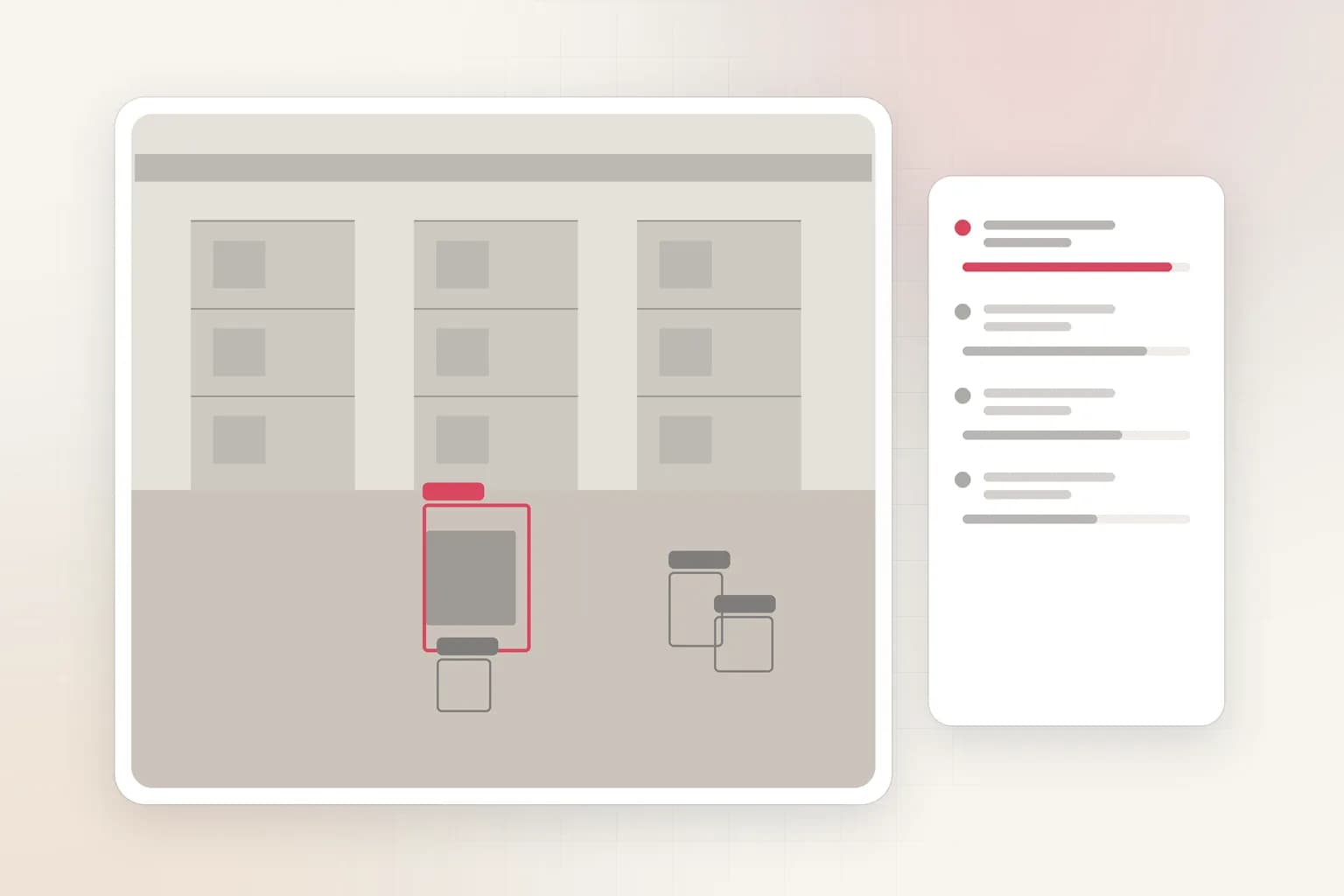
Person-down detection watches floor zones on CCTV you already record and alerts when someone is lying down after a fall. Indian plants can pair Hikvision or CP Plus exports with live rules, DPDP retention limits, and natural-language search on incident clips.
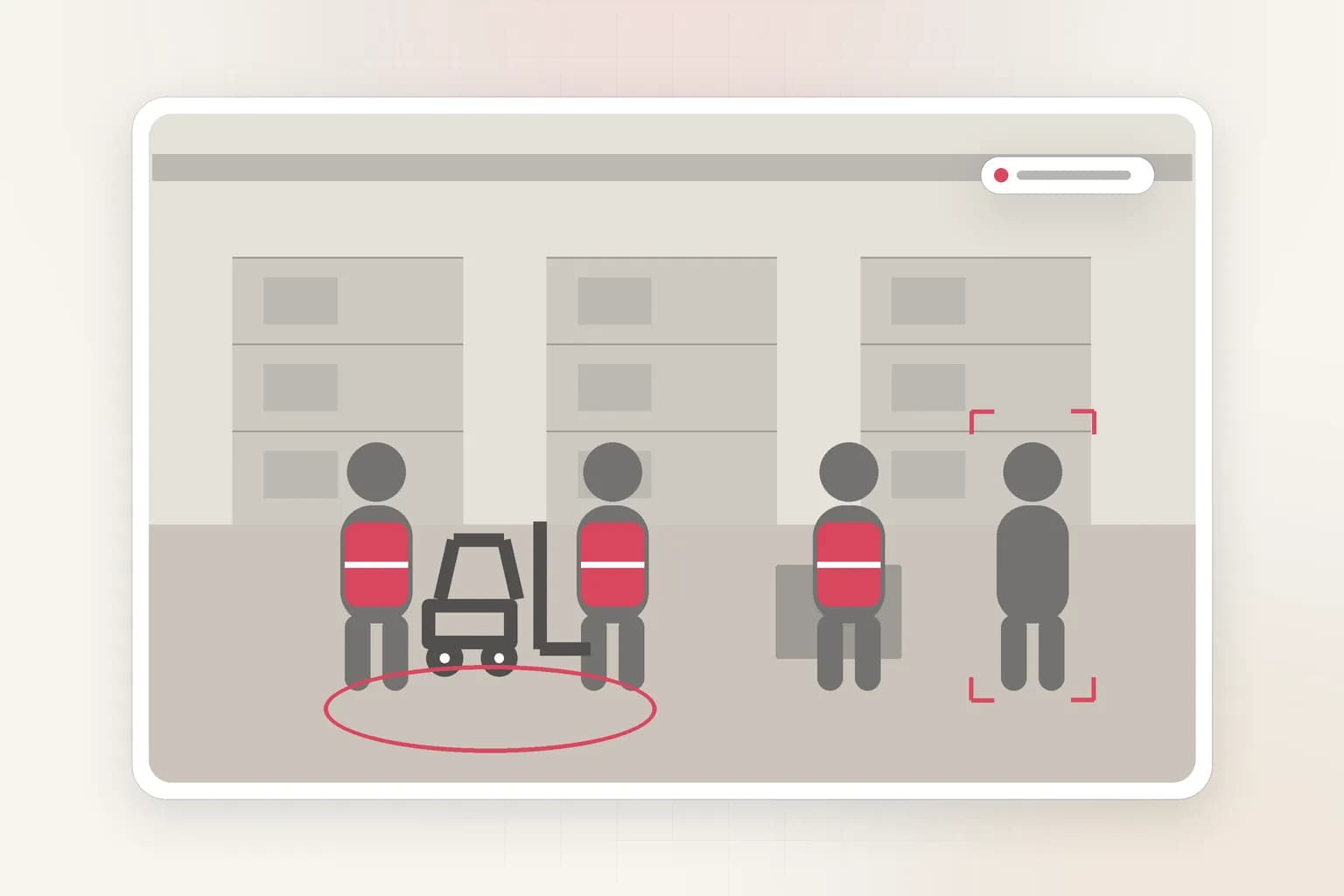
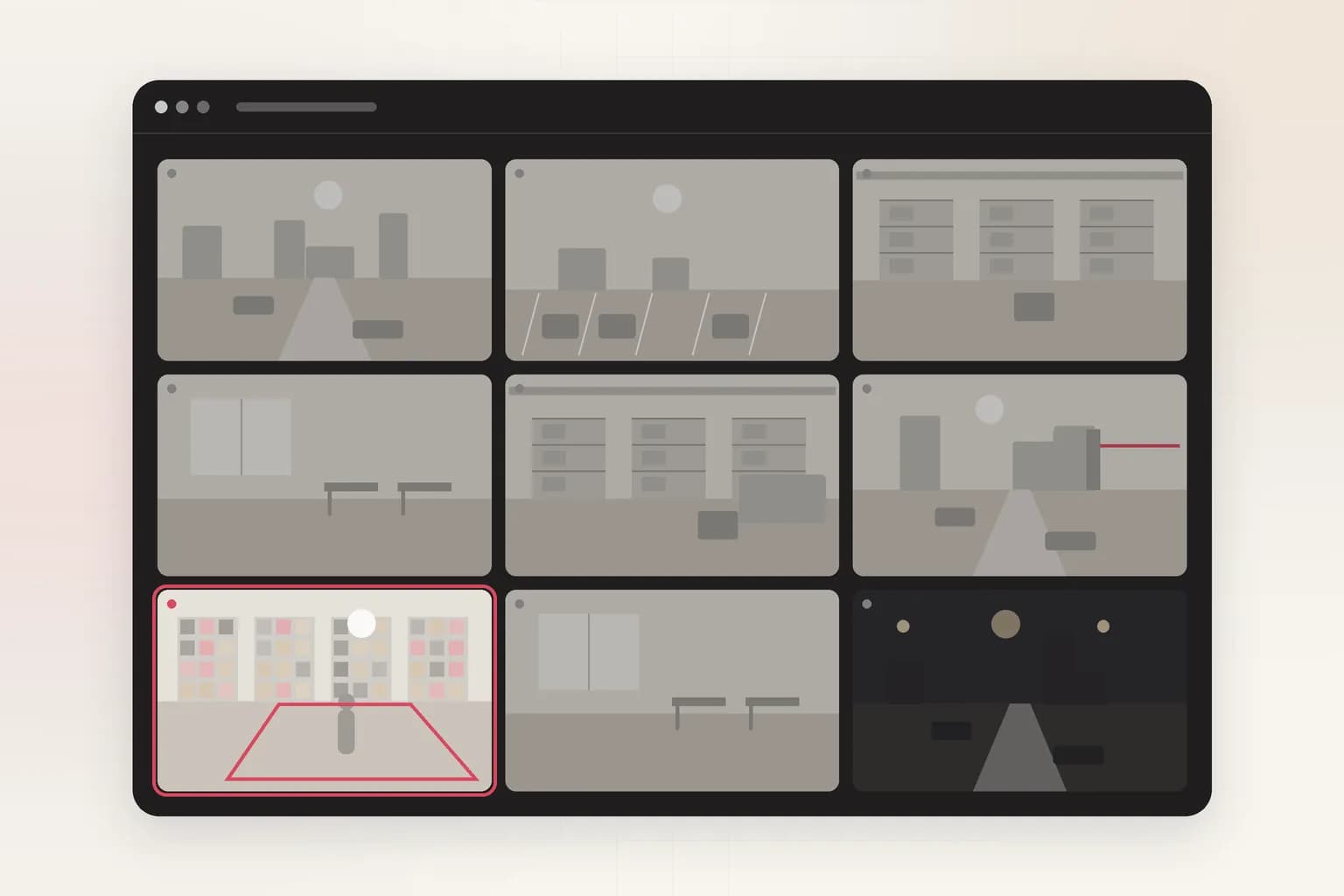
Person down detection on factory CCTV in India means video software watches floor zones on feeds you already record and alerts when someone is lying down—often after a fall, collapse, or medical event on an aisle, dock, or staging bay. Plant EHS and security teams search fall detection CCTV India, man down alert, and person lying on floor when a lone worker might not be seen for minutes on a wall of Hikvision or CP Plus monitors. This guide covers when analytics help, camera placement on Indian shop floors, accident reporting context, DPDP-aware retention, and how to search footage after an incident using tools such as the fall detection feature and incident report template.
Why do Indian factories add person-down rules now?
Factories already record; they still find falls late when supervisors are off the floor, shifts overlap, or incidents happen between guard rounds.
India's reporting line treats falls as a persistent factory risk:
- The Ministry of Labour's Directorate General Occupational Safety and Health (DGOSH) told Lok Sabha in 2026 that major causes of reportable factory accidents include persons falling from height, machinery, fire, and electrocution, with state-wise fatal injury tables from 2015 through 2024.
- The Labour Bureau Statistics of Factories 2023 reports 728 fatal and 1,645 non-fatal injuries among factories filing returns that year, with many cause codes grouped under Others that explicitly include persons falling and struck by falling bodies.
- In Karnataka, the department of factories, boilers, industrial safety and health told the Times of India in December 2025 that nearly 25% of manufacturing fatalities linked to falls from height, often 10–20 feet, with unfamiliar workers and missed protocols cited as drivers.
Person-down analytics does not replace permit-to-work, guardrails, or harness programmes. It shortens the gap between impact and human response, and it produces timestamped frames for the accident notices factories must file when someone loses 48 hours or more of work.
Global buyers mirror the same pattern: OSHA-style programmes pair PPE cameras with fall workflows—see PPE detection on existing CCTV—because helmet gaps and person-down events often surface on the same camera wall.
How does person down detection differ from motion alerts?
Motion detection fires on any change—forklifts, birds, plastic flapping—so night shifts mute channels. Person down (or fall detection) targets human shape on the floor inside a drawn zone.
| Signal | Typical NVR motion rule | Person-down workflow |
|---|---|---|
| Trigger | Pixel change in whole frame | Person lying or fallen in floor zone |
| False positives | Wind, lighting, vehicles | Seated breaks if zone includes break areas |
| Response | Optional pop-up | Mobile / Slack alert with photo |
| Investigation | Manual rewind | Export + search on bounded clip |
Ceptory's built workflow checks about every 3 seconds when movement is present, with motion gating so quiet cameras do not spam frames—a pattern consistent with how video analytics software is sold in India (edge alerts vs cloud search on exports).
For post-incident review, teams still export MP4 from the NVR—see Hikvision export steps for Indian sites—then run after-incident CCTV search or upload a clip for natural-language questions such as when the worker's feet left the ladder.
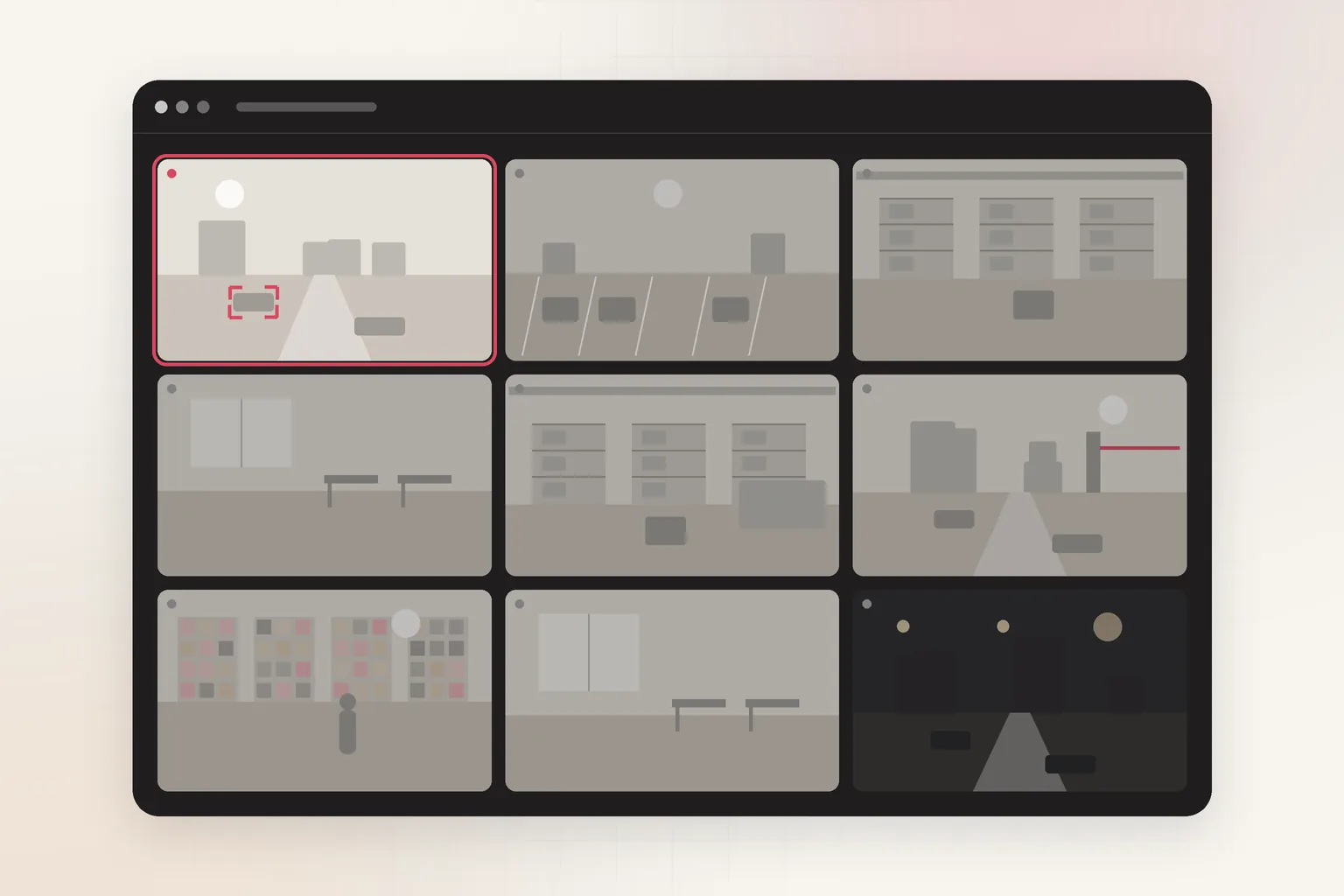
Where should cameras look on an Indian shop floor?
Angle beats resolution. A 1080p camera mounted too high cannot tell lying posture from crouching under a conveyor.
Use this placement checklist for warehouses, auto plants, and food factories:
Aisles and pick faces
Mount 3–4 metres high, 30–45° down the aisle. Draw the floor zone only—exclude pallet stacks where people legitimately kneel.
Loading docks and apron
Cover dock plate to yard line. Pair with illegal parking or intrusion rules on the gate if trucks obscure falls.
Stairs and mezzanines
Falls from height dominate Karnataka's statistics. Put a dedicated camera on landings, not only the top-down view, so reviewers see where the body stops.
Confined booths and QA tables
Seated work inside the same zone as walk paths causes false person-down alerts. Split zones or schedule alerts to walking hours only.
Lone-worker routes
Night furnace, boiler, and maintenance rounds benefit from after-hours intrusion cameras on the same path, so movement exists for motion-gated checks.
Indian integrators often sell analytics licenses inside the NVR. Software-only platforms instead send interval frames over outbound HTTPS—useful when cloud uplink is metered; model bandwidth with the CCTV bandwidth calculator before turning on 3-second sampling on twelve cameras.
What legal and privacy limits apply to fall video?
Safety law and DPDP both apply; they pull in opposite directions on retention.
Reporting. Factory injury statistics depend on timely notices to inspectors. Video supports root cause (slip, trip, harness failure) but does not replace DGOSH injury returns.
Privacy. Identifiable workers on camera are personal data under the Digital Personal Data Protection Act, 2023. Our CCTV retention guide for India walks purpose, notice, and erasure when clips leave the EHS office.
Practical policy table:
| Stage | Recommended handling |
|---|---|
| Live alert | Supervisor and EHS on phone; no public display of the worker's face |
| First hour | Lock clip; assign case ID; start incident report draft |
| Investigation | Share redacted exports with insurer or counsel only |
| Erasure | Delete non-evidence copies when purpose ends; keep audit log of who viewed fall video |
If clips go to labour inspectors or police, follow lawful process—the same chain documented in AI security incident reports from CCTV.
How do you search factory footage after a person-down alert?
Treat alerts as start times, not finished reports.
Step 1: Anchor time in IST and UTC
NVRs may default to local IST; cloud tools often use UTC. Write both on the case sheet before export.
Step 2: Export a bounded clip
Pull two minutes before the alert through five minutes after from every camera that saw the zone, plus one upstream camera on the travel path. Use warehouse CCTV search habits when multiple NVRs split the site.
Step 3: Scrub with structured questions
Before AI search, note PPE, housekeeping, forklift traffic, and witnesses. Then index the clip and ask: when both feet left the ladder, how long until another worker entered frame, whether a spill was visible earlier.
Step 4: Quantify review cost
Manual review hours on multi-camera falls add up quickly once you include export, scrubbing, and supervisor time. The video review cost calculator helps compare indexing spend against that labour.
Step 5: File the statutory narrative
Map video findings to how to write an incident report from video sections: time, location, mechanism, immediate actions, evidence attachments.
Ceptory indexes at $0.042/minute plus $0.0015/minute infrastructure with 60 free indexing minutes on public pricing—enough for pilot clips from one aisle camera before a plant-wide rollout.
How should EHS and IT roll out person down detection?
A four-week pilot beats a corporate mandate on every channel.
-
Pick one high-risk zone (dock or mezzanine) with one camera that already meets the angle rules above.
-
Run parallel manual rounds for 14 days. Log missed falls or near-misses the analytics did not see.
-
Tune zones to remove break tables and storage pallets where kneeling is normal.
-
Wire alerts to on-call supervisors on mobile, not only the control room.
-
Measure time-to-response from alert to physical check; compare to pre-pilot guard log times.
-
Document DPDP notice updates if workers were not previously told analytics runs on floor posture.
-
Expand only after false alert rate is tolerable on night shift.
Pair live rules with monthly search drills on random exports so investigators stay fluent when DGOSH or insurance asks for cause, not only counts.
Where does Ceptory fit on Indian factory CCTV?
Ceptory is software-only: person-down workflow on frames you already send, natural-language search on uploaded incident exports, and alerts to mobile, Slack, Teams, Discord, email, or webhooks. It does not ship edge boxes, Hikvision licences, or government certifications Ceptory has not published.
Strong fit:
- Existing CP Plus / Dahua / Hikvision cameras with a site PC running Ceptory Desktop (macOS today) as gateway.
- Investigations after a person-down alert when hours of related footage must be searched.
- Manufacturing programmes linked from solutions for manufacturing.
Weaker fit:
- Sites that require on-NVR only analytics with no outbound cloud (Ceptory cloud indexing is not on-prem today).
- Sub-second crane-zone stops that need dedicated safety PLCs, not 3-second vision sampling.
For PPE plus person-down on the same line, combine this guide with PPE detection cameras and evaluate workplace safety monitoring concepts before you buy another hardware SKU.
What should Indian plant teams do this week?
Person down detection is attention on the floor, not a certificate. Start with one zone, honest angles, and searchable exports when something happens.
If you are EHS: ask security for one dock camera feed and pilot floor-only zones this month. If you are IT: confirm outbound HTTPS and retention before enabling cloud frames. If you are investigating yesterday's fall: export bounded MP4, log DPDP access, and run structured search before memories fade.
When you are ready to alert and search on the CCTV you already own, visit the Ceptory home page or open fall detection setup in the dashboard demo workspace.
How do you compare vendors without overbuying?
Indian tenders often bundle analytics with camera refresh. Before you sign, ask each vendor to demo person-down on your exported clip, not a marketing reel. Request false-alert counts per 24-hour shift, maximum cameras per gateway, and whether search stays on-NVR or needs upload. Global platforms such as Milestone or Genetec may already licence fall plugins; cloud indexers such as Ceptory fit when investigators need Ask-style search across multi-site exports after the alert fires. None of those choices removes EHS ownership of harness, housekeeping, and training—the items Karnataka inspectors cited as root causes in falls-from-height reporting.
Frequently asked questions
What is person down detection on CCTV?
It is video analytics that watches a floor zone and alerts when a person is lying down or has fallen, often on a short interval when motion is present. It differs from generic motion alerts because it targets body pose on the ground, not any movement in frame.
Do Indian factories need new cameras for fall detection?
Not always. If existing IP cameras cover aisles, docks, or staging areas at a usable angle, software can analyze RTSP frames or exported MP4 clips. Low mounts, heavy occlusion, or blind spots under conveyors still need repositioning.
Does the Factories Act require CCTV fall alerts?
Indian factory law expects accident reporting and safe systems of work under the OSH and WC Code framework, but it does not mandate AI fall detection. CCTV helps document what happened after DGOSH-reportable injuries; alerts shorten response time before formal notices.
How common are falls in Indian factories?
DGOSH tells Parliament that falls from height are a major accident cause among reportable factory injuries, and Karnataka officials have said roughly 25% of industrial fatalities in the state link to falls from height. National cause tables group many fall types under broad codes.
What retention applies to fall footage in India?
Keep clips long enough for safety investigation and any statutory notice, then align erasure with your DPDP purpose and notice. Society-wide indefinite retention is risky; document who may view fall video and when it is deleted.
Can Ceptory alert on person down without a new NVR?
Yes, when Ceptory Desktop or an upload path sends frames from existing cameras. The built person-down workflow checks every 3 seconds when motion is present and raises mobile or chat alerts with a photo. Recorded exports can be searched after the fact.
Ceptory
Search your own footage in plain language. The free tier indexes 60 minutes of video.