Security & Surveillance
After-Hours CCTV Intrusion Alerts: India Office Guide
How Indian offices, RWAs and IT parks catch after-hours intrusion on CCTV they already own: zones, schedules, retention, DPDP logs, and investigation exports.
TL;DR
After-hours intrusion on CCTV needs a written rule, cameras on doors and paths—not bedrooms—armed schedules on the NVR, alerts someone will answer, and DPDP-aligned export logs. This India guide covers Maharashtra's voluntary code, MeitY VSS advisory basics, and post-incident search.
How do Indian offices, IT parks, and housing societies catch after-hours intrusion on CCTV they already pay for? The pattern is the same whether the recorder is Hikvision, CP Plus, Dahua, or Prama: write who may be on site after closing, put cameras on doors and paths (not into flats), arm schedules on the NVR or analytics layer, make sure someone answers alerts, and export with logs that match India's DPDP Act. Maharashtra's voluntary CCTV code explicitly lists housing societies and IT firms among establishments that should cover vulnerable areas and restrict access to stored feeds.
Why do after-hours break-ins get missed on Indian CCTV?
After-hours failures are usually operational, not missing cameras.
| Failure mode | What goes wrong | Fix |
|---|---|---|
| No schedule | Daytime traffic trains guards to ignore alerts | Arm perimeter zones only 22:00–06:00 (example) |
| Wrong angle | Camera sees a wall, not the door | Move or add a door-line view with face-on plates |
| Alert goes nowhere | Email to an ex-employee | Route to rotating guard phone and backup email |
| Retention too short | Clip overwritten before Monday review | Hold incident exports; see DPDP retention |
| Privacy backlash | Camera points at windows | Repoint; publish notice per local code |
Manual guardrooms still miss events after long shifts. Our older real-time video analytics overview describes alert fatigue; the India-specific fix is smaller zones plus schedules, not more TVs.
What do Indian guidelines expect from CCTV coverage?
Two published references buyers cite in 2026:
Maharashtra Voluntary Code of Practice (collaborative monitoring). The state PDF applies to housing societies, IT firms, warehouses, and other establishments. It expects:
- CCTV for a specified security purpose, with cameras on vulnerable areas at proper angles.
- Transparency: notify that the area is under video surveillance, with a contact number.
- Minimum five days storage at at least 5 fps (many sites run longer; document your choice).
- Restricted access to feeds with defined rules on who may view or export.
- Periodic review (at least quarterly) and breach reporting to police within 48 hours.
MeitY advisory on video surveillance security (March 2024). The office memorandum urges network segmentation, strong passwords, firmware updates, encrypted links, and physical control-room access for government-linked sites. RWAs and private parks should treat NVR admin passwords and port forwarding with the same discipline.
Neither document mandates a specific AI vendor. They do expect you to justify purpose and protect stored video—which intersects with the Digital Personal Data Protection Act, 2023 when footage shows identifiable people.
How should you draw zones and schedules for after hours?
Step 1 — List legitimate night activity. Security staff, housekeeping, approved contractors, and emergency vehicles. Everything else is restricted after the published time.
Step 2 — Map doors and choke points. Prioritize main gate, lobby turnstile, server room door, loading dock, and basement vehicle ramp. Avoid bedroom-facing parking rows in societies; use illegal parking evidence workflow patterns that keep plates readable without private balconies in frame.
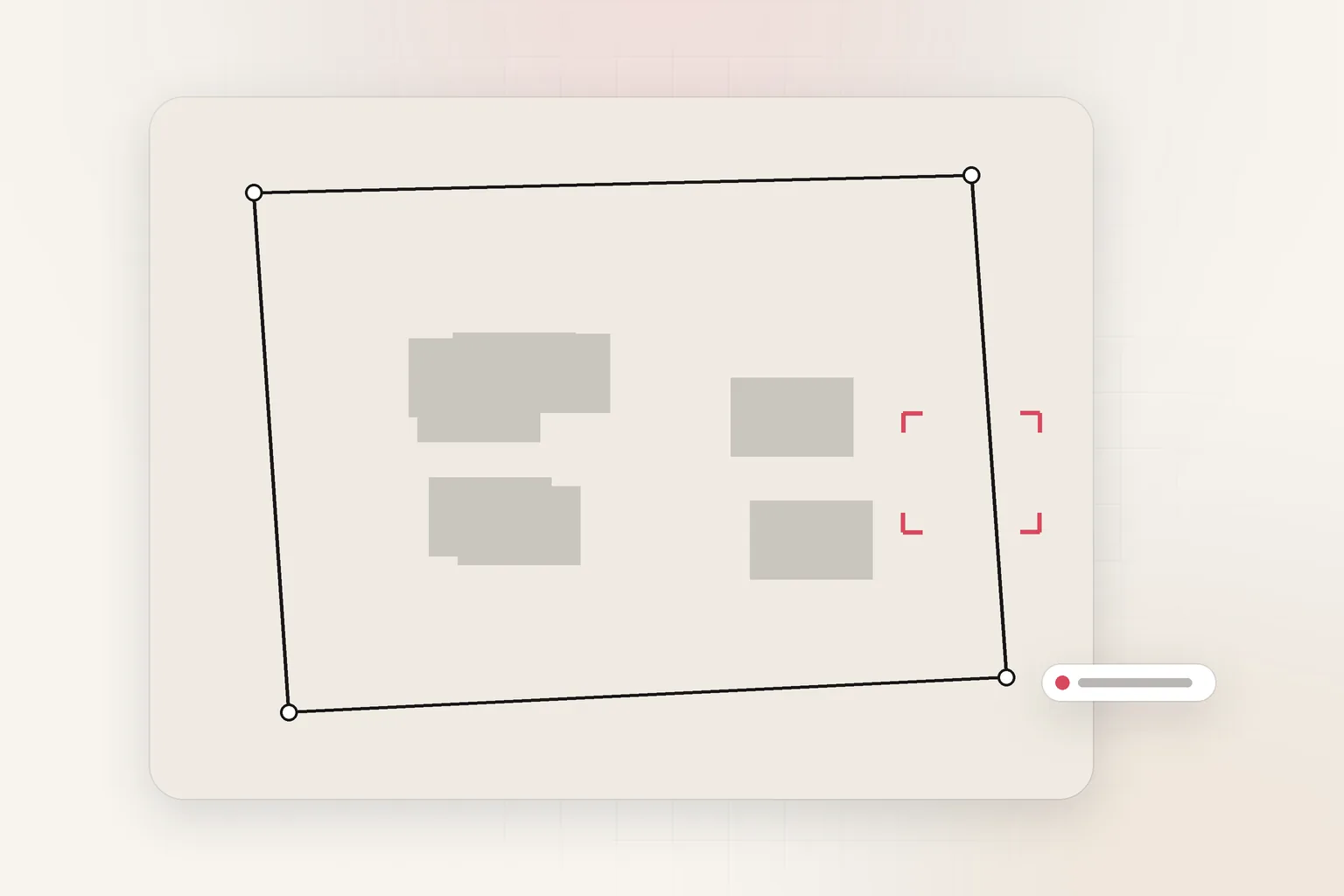
Step 3 — Draw tight zones. On the NVR or analytics UI, draw region rules on the threshold, not the whole courtyard. Smaller polygons cut tree shadow false alarms.
Step 4 — Arm weekly schedules. Example for an IT park: Mon–Fri 20:00–07:00 and all day weekends on server corridors; gate camera 24/7 with plate capture. Document the schedule in the RWA minutes or facility SOP.
Step 5 — Test with walked drills. Walk the route with security; confirm alert latency under two minutes on the channel guards actually read (phone push beats inbox).
What alert channels work for Indian shift teams?
| Channel | Strength | Caveat |
|---|---|---|
| Guard mobile | Fast ack on night shift | Needs escalation if unanswered in 5 minutes |
| Slack / Teams | Audit trail for IT parks | Do not post resident faces in public channels |
| Fine for low-traffic sites | Often delayed; poor for critical intrusion | |
| On-site siren | Deters casual trespass | Check noise bylaws in societies |
| Webhook to ticketing | Fits facility CMMS | You still need a human verify on video |
Ceptory routes built intrusion workflow alerts to mobile push (Acknowledge / Resolve), Slack, Microsoft Teams, Discord, email, and signed webhooks, described on the intrusion detection feature page. WhatsApp and SMS alerts are not shipped yet; plan around channels your guards already monitor.
How do you investigate after an after-hours alert?
- Acknowledge with time and camera name in the log book or ticketing system.
- Open live view if latency matters; otherwise jump to playback on the same channel ±2 minutes.
- Follow movement across lobby → lift → floor corridor cameras before the subject disappears.
- Export native video using our Hikvision NVR export guide (steps match most Indian OEM GUIs).
- Write the incident with the video incident report template so committee or HR gets timecodes, not a raw MP4 only.
- Erase or retain copies per your DPDP-aligned policy when the case closes.
When multiple cameras are involved, natural-language search on exported clips helps supervisors ask what was carried or which uniform appeared without scrubbing every channel. That is where AI video search complements live intrusion rules.
How do factories and warehouses arm perimeters differently?
Factories under state factory rules usually combine security with safety. After hours you care about unauthorized persons in chemical stores, forklift bays, and captive power rooms, not only the main gate.
| Zone type | Typical Indian install | After-hours rule |
|---|---|---|
| Main gate | LPR + wide shot | Vehicle + person intrusion when boom closed |
| Shop floor loading bay | Overhead dome | Person in zone when conveyor powered down |
| DG / utility yard | Bullet camera on fence line | Line crossing with strobe white-light cue |
| Worker hostel gate (if on same campus) | Separate NVR channel | Do not share exports across HR and estate without purpose |
Pair person-down and fire workflows for safety-critical areas; after-hours intrusion should not spam alerts when approved maintenance is scheduled. Put maintenance windows in the same SOP table as armed hours.
Warehouses near JNPT, Bengaluru Whitefield, or Gurugram logistics parks often run 24×7 despatch on one side and closed racks on another. Split schedules by channel, not only by site.
What mistakes do RWAs make after a trespass incident?
- Broadcasting clips on resident WhatsApp groups—creates DPDP and defamation risk. Share still frames with faces cropped when possible; keep full video for committee only.
- Erasing footage the morning after because the 32-day loop filled—export before the weekly defragment if your DVR is full.
- Calling police without timecodes and camera map—wastes the 48-hour reporting expectation in Maharashtra's voluntary code.
- Buying new AI before aiming existing cameras—cheaper than a six-lakh analytics quote with a lens on a blank wall.
- Ignoring tailgating at the gate—pair intrusion with line crossing on the pedestrian side of the barrier.
Our how to find a moment in hours of CCTV guide narrows timelines before you export for a police complaint or security vendor SLA dispute.
How does cross-camera tracking help after hours?
When someone breaches the gate, investigators ask where they went next: lift lobby, basement parking, or a service corridor. Classic NVR playback forces manual hops channel by channel.
Cross-camera tracking (re-identification by appearance, subject to lighting limits) stitches a timeline across channels. Ceptory's movement feature follows a person or vehicle across a site group when cameras share a workspace map—useful after you confirm the subject on the first alert still.
That post-alert path differs from live intrusion, which should fire in seconds on the first zone. Think alert first, journey second, export third.
For VMS versus intelligence platform architecture choices on Indian sites, read video intelligence platforms vs traditional VMS.
What should an RWA or facility manager document?
Keep a one-page after-hours CCTV SOP with:
| Field | Example content |
|---|---|
| Purpose | Perimeter security after 22:00 |
| Cameras armed | Gate 1, lobby, basement ramp |
| Who receives alerts | Guard vendor + estate manager mobile |
| Retention | 30-day loop; hold exports until case closed |
| Export authority | Secretary + security lead only |
| DPDP notice | Link to society notice board text |
| Police contact | Local station number (for 48-hour reporting if code applies) |
For storage sizing when you extend retention after an incident, use the CCTV storage calculator with your real bitrate and camera count.
How much storage do after-hours exports need?
After-hours clips are short but high-stakes. A ten-minute, sixteen-camera export at 4 Mbps per channel is roughly 4.8 GB total before any conversion to MP4—well within a 1 TB NVR if you export once, but heavy if every alert triggers a full parallel dump.
Size loops using the CCTV storage calculator and keep incident exports on a password-protected share separate from the recorder's auto-overwrite pool. If your society runs only five days per Maharashtra's voluntary minimum, treat day six as emergency-only review time.
What should you do this week?
- Audit camera aim at doors, not balconies—fix before the next committee meeting.
- Publish after-hours times in notices so residents know when perimeter rules arm.
- Run a night drill and measure alert-to-human minutes.
- Rotate NVR passwords per the MeitY VSS advisory; disable unused UPnP port forwards.
- Export a test clip and store it with a DPDP log row so the process works before a real break-in.
Ceptory helps after the alert: index bounded exports, search scenes and speech, and draft reports—without replacing your Indian NVR. Start from the Ceptory home page if your team spends weekends scrubbing multi-camera timelines. For live after-hours rules on cameras you already stream, see intrusion detection and the security product overview at /en/products/security.
Frequently asked questions
What is after-hours intrusion detection on CCTV?
It is video analytics or recorder rules that alert when a person, vehicle, or animal enters a restricted zone outside allowed hours. Schedules arm perimeters at night while keeping daytime traffic quiet. Alerts should include a timestamped image and camera name.
Do Indian housing societies need CCTV intrusion alerts?
Many societies already record gates and parking. Maharashtra's voluntary CCTV code expects vulnerable areas covered and at least five days of storage at 5 fps. After-hours schedules reduce false alarms from residents while catching tailgating or forced entry if someone monitors alerts.
How long should an office keep after-hours incident clips in India?
The DPDP Act sets no fixed CCTV days. Keep clips until the investigation or disciplinary process ends, aligned with your published purpose. Routine loops of 15–45 days are common on RWAs; export incident windows before overwrite.
Can I use Hikvision or CP Plus motion alerts alone?
Motion detection helps but fires on rain, lights, and trees. Draw smaller zones on doors and corridors, tune sensitivity, and arm schedules. Pair motion with person-class analytics where your license allows, and always verify alerts on video.
What should an RWA log when sharing intrusion footage?
Record who exported, why, when, source camera, time range, and recipients. India's DPDP Act treats identifiable people as personal data. Do not post clips in resident WhatsApp groups; use committee channels with a written complaint reference.
Does Ceptory replace my Indian NVR for live intrusion?
No. Ceptory sells no cameras. Ceptory Desktop and dashboard intrusion workflows alert from IP streams you configure, while the cloud indexes exported clips for search. Upload bounded exports after an after-hours event to query scenes and speech.
Ceptory
Search your own footage in plain language. The free tier indexes 60 minutes of video.
Related reading