Industry News
Gemini Robotics ER 2 on Google Cloud: Video Moment Finding
Gemini Robotics ER 2 reached Google Cloud in public preview. It reasons over live video and pinpoints key frames. What it means for video search teams.
TL;DR
Google Cloud made Gemini Robotics ER 2 available in public preview on October 28, 2026. Built for robots, it also finds the exact frame of an event in continuous video, which makes it relevant to anyone who searches footage.
On October 28, 2026, Google Cloud announced that Gemini Robotics Embodied Reasoning 2 (ER 2) is available in public preview through Model Garden, per its announcement by Carolina Parada of DeepMind Robotics and Adrian Jones of Google Cloud. Gemini Robotics ER 2 is built to be the reasoning "brain" of a robot, but several of its headline skills are video skills: following a continuous feed, deciding whether a task is going well, and naming the exact frame where something happens.
That overlap is why this belongs on a video intelligence blog. Alibaba's Qwen4-Max release on November 16, 2026 is another cloud path for multimodal video input with documented two-hour limits. Models that find moments in video are the same family of capability that powers footage search, even when the product around them is aimed at warehouses and labs. This post covers what Google says the model does, which numbers it published, and what it does and does not change for teams that search recorded video. AWS followed with Nemotron 3.5 Super VL video inference on SageMaker JumpStart in November 2026—a different cloud path for clip Q&A that still sits beside full-archive video indexing.
What is Gemini Robotics ER 2?
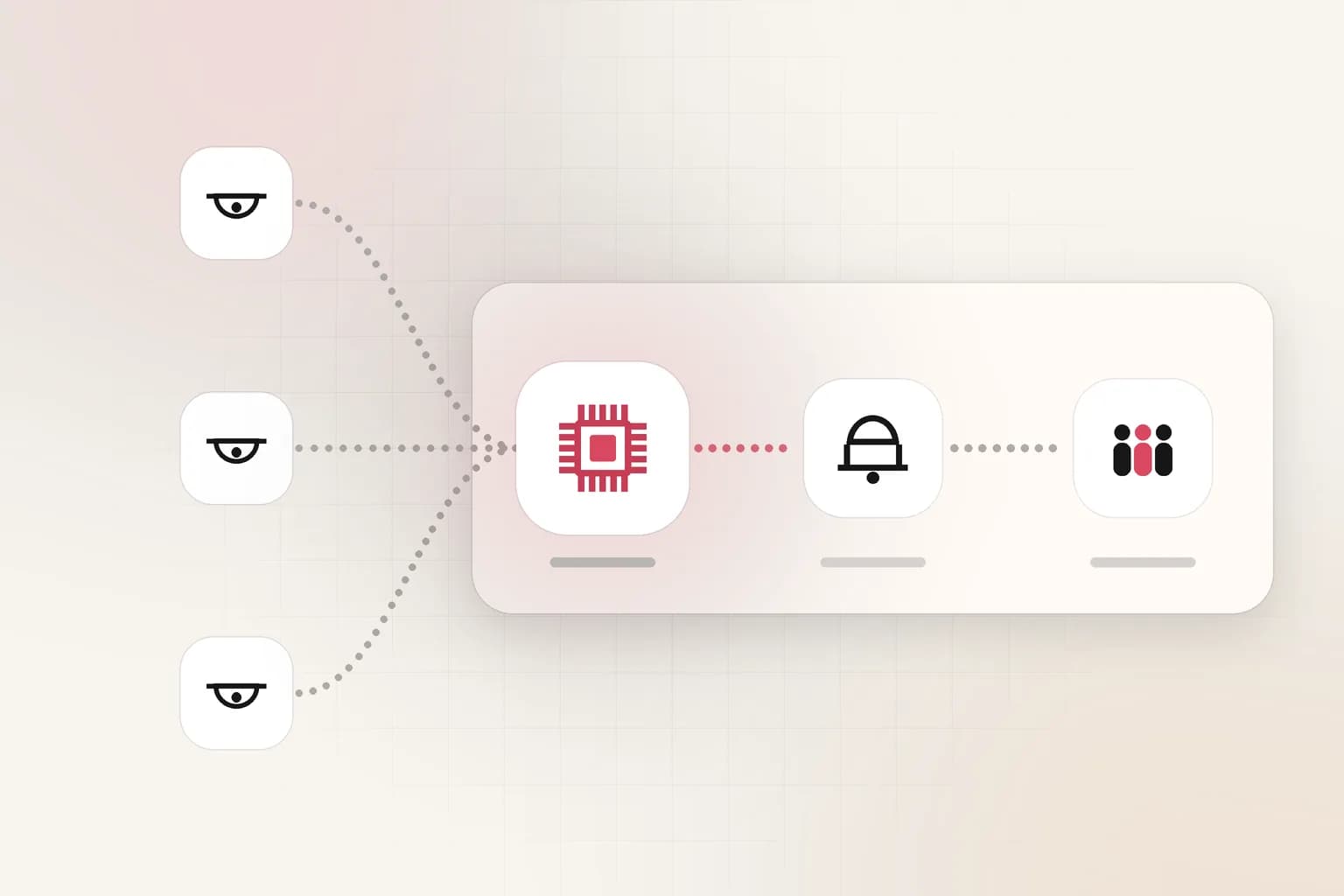
Gemini Robotics ER 2 is a specialized Gemini model for embodied reasoning, described by Google as the high-level "brain" of Gemini Robotics 2, the next-generation intelligence layer the company introduced earlier in 2026. It plans, checks progress and orchestrates lower-level controllers, such as vision-language-action (VLA) models, navigation APIs or custom functions declared as tools.
The Google Cloud post says it works across robot types from stationary arms and wheeled rovers to quadrupeds and humanoids, and supports multi-robot collaboration where robots share an understanding of the workspace, divide labor and hand off tasks. It can plan what the post calls "multi-minute tasks involving hundreds of decisions," explain its approach while acting, and accept redirection in plain language. It streams multimodal video, audio or text, and Google lists built-in safety guardrails.
Press coverage places the original DeepMind release at July 30, 2026, alongside Gemini Robotics 2 and an on-device version, as summarized by Neowin. What is new on October 28 is the enterprise route: Model Garden, enterprise IAM and security controls, and function calling.
What can it do with video?
It reasons over continuous video to track progress, and it can locate the frame of a critical event. Google Cloud describes three video-relevant abilities:
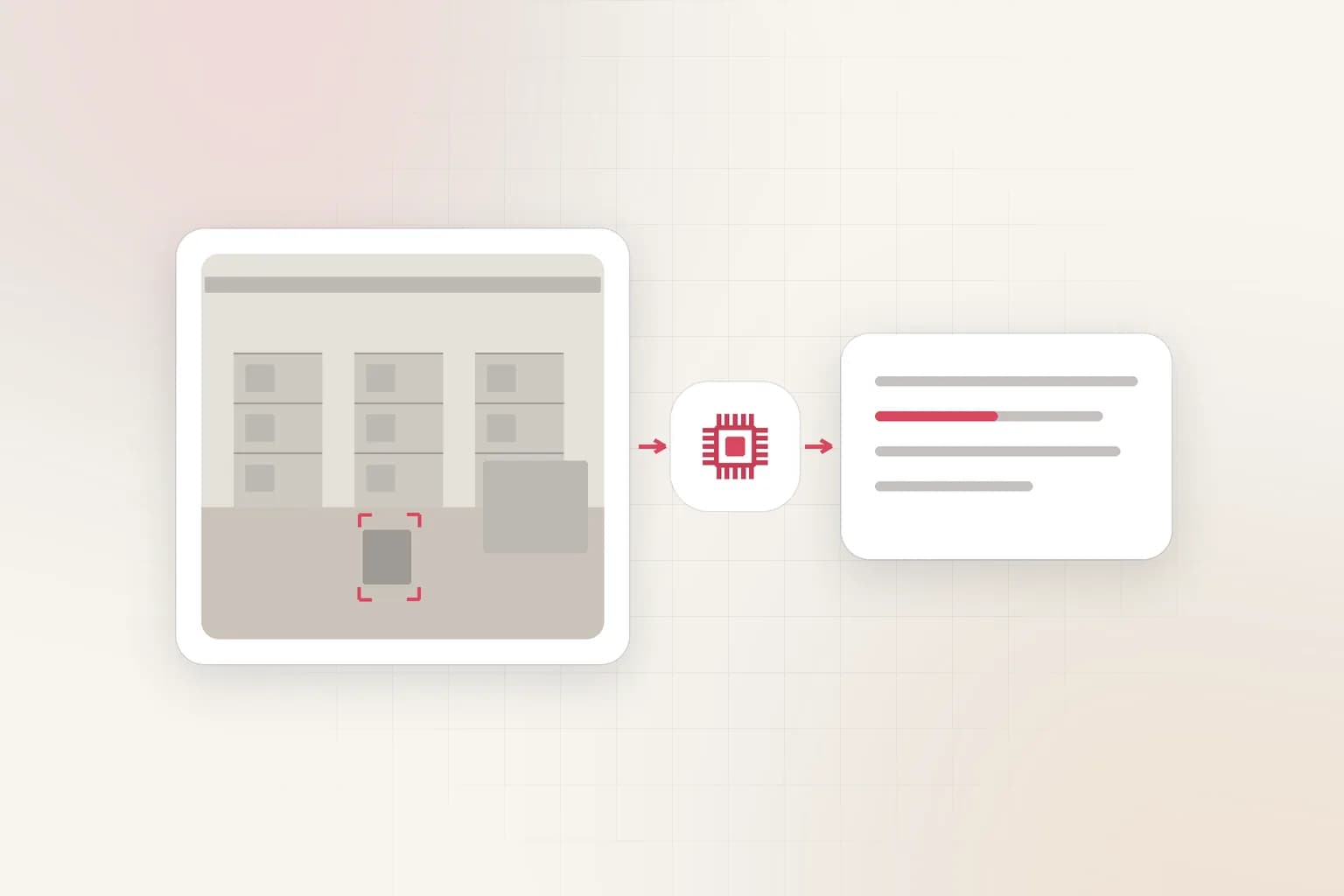
- Task verification: classifying progress as a binary status, discrete categories or continuous scores, so a system can retry a failed step without restarting the whole workflow.
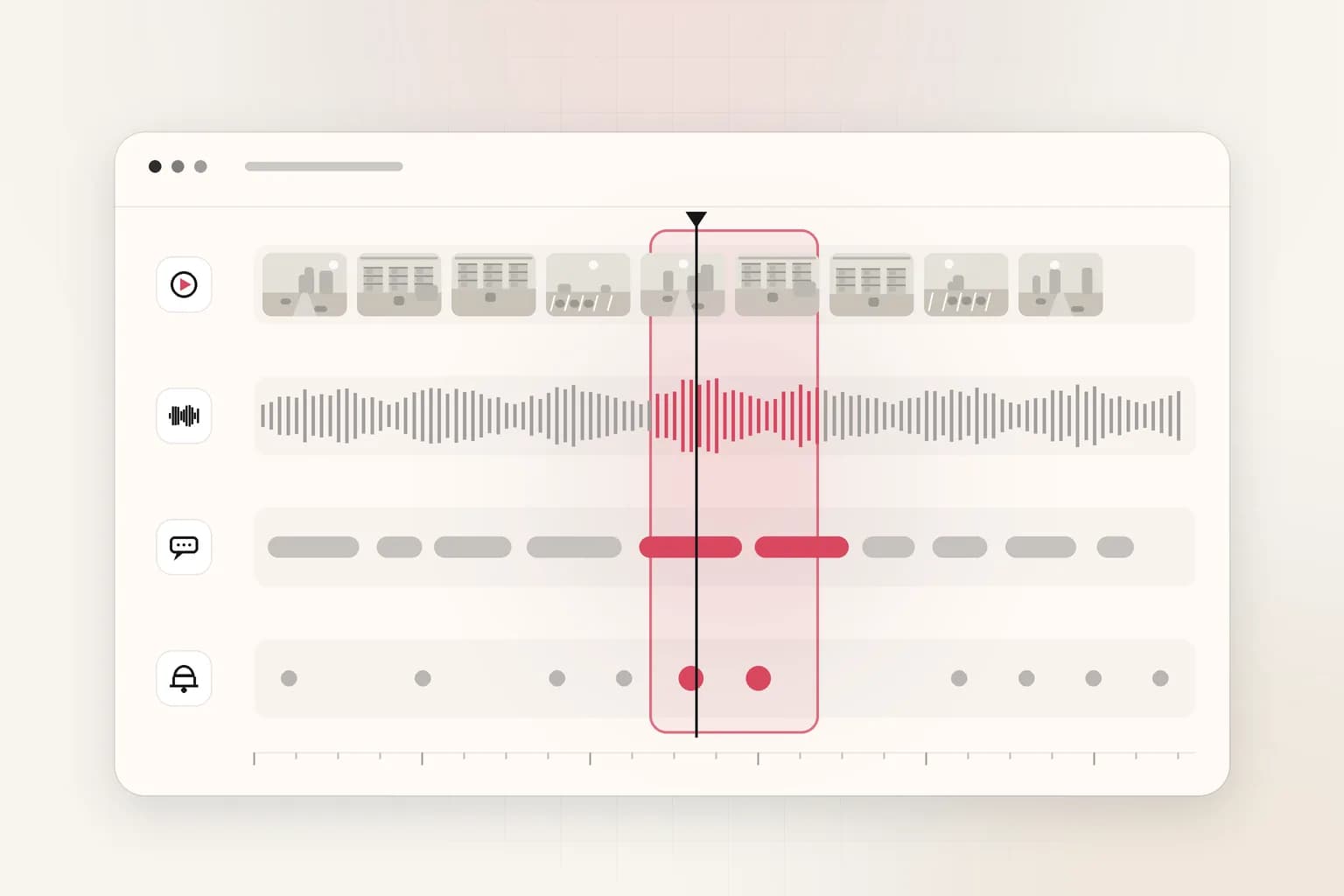
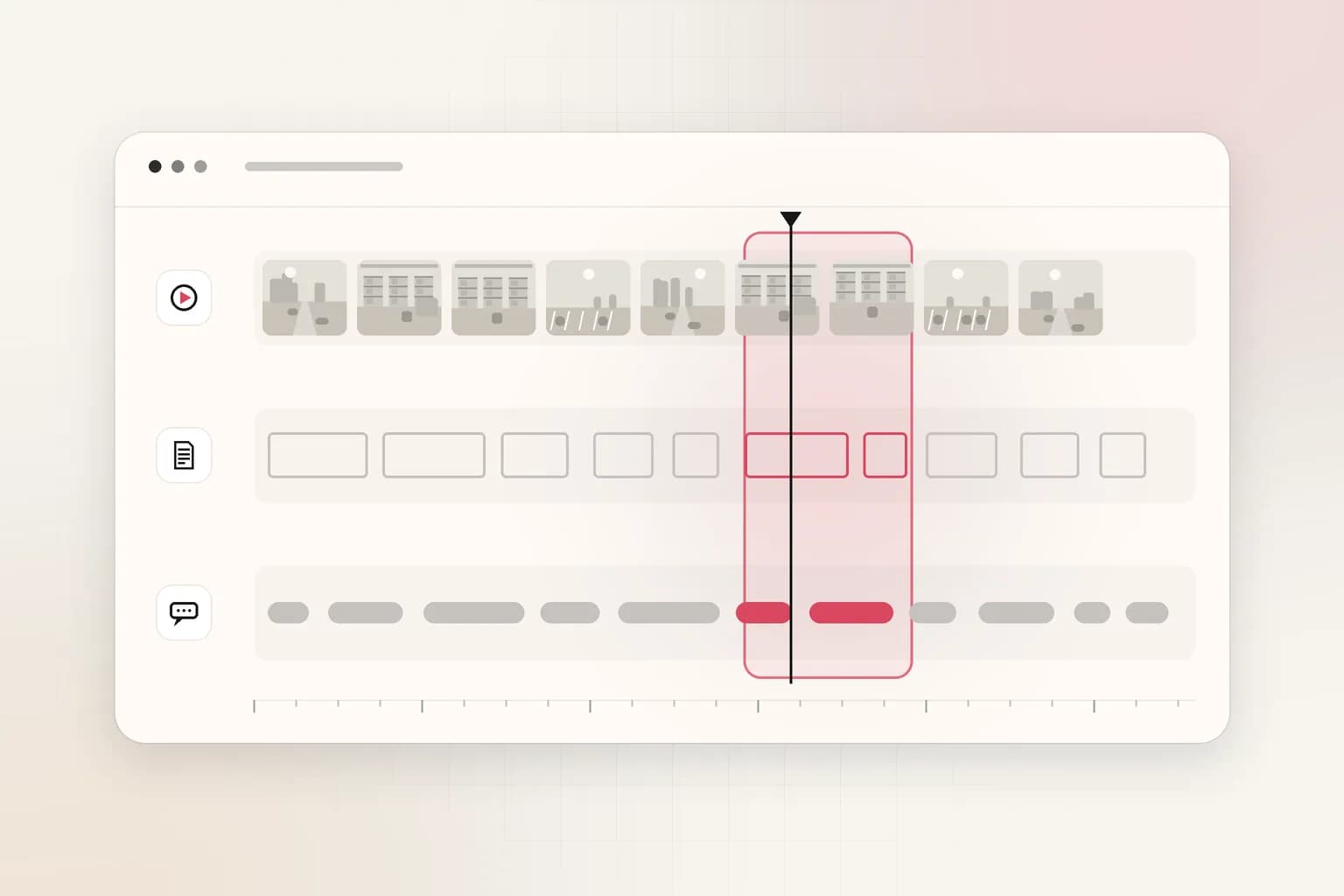
- Moment finding: pinpointing the exact frame of a critical event, such as when to stop pouring a liquid, with 91.3% accuracy and a 0.96-second mean absolute frame distance, according to Google.
- Instrument reading: reading values from more than 10 instrument categories, including circular dials, sight glasses, digital displays, linear scales, rulers and liquid thermometers.
Google also says the model runs at 4x the execution speed of many larger model categories at a fraction of the compute cost. As with every vendor benchmark, these numbers describe Google's chosen tasks. A mean error of 0.96 seconds is good for locating a pour in a lab clip and meaningless for a forensic question that needs the exact moment a door opened.
The same post lists a data workflow: use spatial pointing, moment finding and progress classification to curate and label demonstration videos stored in Cloud Storage and BigQuery. In other words, Google is itself using the model to search and label video.
Why should video search teams care?
They should care because a major cloud vendor is now selling moment-finding as a managed model capability, which raises the baseline for what "AI video analysis" means. Two customer quotes in the announcement show the framing. Marco da Silva, VP and GM of Spot at Boston Dynamics, says: "Video changes what an inspection can be… the ability to apply AI models to video opens a whole new world of possibilities." Chris Liu of DeepReach says the model gives "accurate task understanding of every recording," helping find relevant data "faster and at a far greater scale."
Both quotes are about turning recordings into answers. That is the job of enterprise video search too, and our earlier posts cover the pattern: video intelligence API and multimodal retrieval, multimodal video analysis for operational review and Perception 1.0 for enterprise video intelligence.
How does a robotics reasoning model differ from video search?
A reasoning model answers questions about the video you hand it, while a search product makes a whole archive queryable. Those are different jobs.
| Need | Robotics reasoning model (ER 2) | Video search platform |
|---|---|---|
| Input | A live or short stream for a task | Hours to years of recorded video |
| Output | Decisions, progress status, a key frame | Ranked matching moments across files |
| Strength | Real-time control loops | Finding the unknown clip in a large archive |
| Needs an index | No | Yes |
| Typical user | Robotics engineers | Security, safety, media and operations teams |
ER 2 also assumes a robotics context: simulation in MuJoCo-Warp and NVIDIA Isaac Sim, training custom VLA models, and running latency-sensitive workloads on factory floors with Google Distributed Cloud. A team that only wants to ask "show me every time a forklift entered the loading bay" is not the target buyer.
How does the enterprise workflow work on Google Cloud?
Google frames it as three stages: simulate, train and operate. In the simulate stage, teams test behaviors in MuJoCo-Warp and NVIDIA Isaac Sim, generate synthetic scenarios with multimodal models and auto-label workcell imagery. In the train stage, they curate and label demonstration videos in Cloud Storage and BigQuery, then train custom VLA models through the Gemini platform, GKE or Cluster Director. In the operate stage, they deploy with enterprise IAM, security controls and built-in function calling, run latency-sensitive jobs such as SLAM and path planning on factory floors with Google Distributed Cloud, and stream fleet telemetry to BigQuery.
Two details matter to non-robotics readers. First, the model is accessed as a managed service with the same identity and access controls as other cloud workloads, which is what security teams ask about before any video leaves a building. Second, the post names an on-premises-adjacent option for latency-sensitive work, a reminder that video AI buyers increasingly weigh where inference runs. We covered that trade-off in cloud vs private cloud vs on-premise deployment.
What are the limits of this announcement?
The announcement is a vendor post, and several things are missing. It gives no prices, pointing instead to a pricing page. It is a public preview, so terms and behavior can change. The accuracy and frame-distance figures come from Google's own evaluation, and the post does not describe the clips, lighting or camera angles behind them. Nothing in it addresses surveillance footage, long archives or retrieval across thousands of files.
Secondary coverage also varies on access paths, so confirm the current one in Google's documentation before you plan around it. The Google Cloud post links documentation, developer guides with bidirectional streaming sample code, and a benchmarks and safety technical report, which are the right places to check specifics.
Finally, remember the model was designed for robots. Using it as a general footage search engine would mean building your own indexing, storage, permissions and ranking around it, which is the work that video intelligence platforms already do.
Where does Ceptory fit?
Ceptory is the search layer for recorded video, not a robot controller. It indexes video you upload or add by URL through the REST API, then lets teams search in natural language across scenes, speech and on-screen text, and run multimodal analysis from the dashboard. See the video intelligence API and the search feature.
Caveats we would give any buyer: Ceptory does not control robots and publishes no benchmark figures like the ones above, so test it on your own footage. Pricing is $0.042 per minute indexed plus $0.0015 per minute of infrastructure, search is $4 per 1,000 queries, and the first 10 minutes of indexing are free. See pricing.
What should video teams do now?
You do not need to adopt a robotics model, but you can use the announcement to sharpen how you evaluate any video AI:
- Define "found." Decide whether you need the clip, the minute or the exact frame. ER 2's 0.96-second figure shows why that tolerance matters.
- Test on your own footage. Vendor benchmarks use vendor tasks. Pull ten past incidents with known answers and score any tool against them.
- Check access and pricing. Public preview is not general availability, and the post gives no rates. Read the linked pricing section before planning.
- Separate real-time from archive. If you need a decision within a control loop, use a reasoning model. If you need to answer questions about last month, you need an index.
- Estimate review cost. The free video review cost calculator shows what manual review costs today.
- Keep humans on safety calls. Any automated verdict about a workplace event should have a reviewer.
What is the bigger picture?
The bigger picture is that video understanding is being built into general-purpose models and sold through cloud catalogs. ER 2 reads gauges, tracks progress and finds frames, all useful for inspection and operations footage. As these models get cheaper, the differentiator moves to the layer around them: indexing, retrieval across a large library, access control and workflow. If you want to try that layer on your own footage, start with Ceptory and its first 10 free indexed minutes. For a related research direction, see StreamVibe and proactive video agents, which also shows how live agents struggle on long video.
Frequently asked questions
What is Gemini Robotics ER 2?
Gemini Robotics ER 2 is a specialized Gemini model for embodied reasoning, the high-level planning layer for robots. Google Cloud says it is in public preview through Model Garden as of October 28, 2026.
Can Gemini Robotics ER 2 find a moment in a video?
Yes. Google Cloud says it pinpoints the exact video frame of a critical event with 91.3% accuracy and a 0.96-second mean absolute frame distance. Those are Google's own figures from its task, not a result on your footage.
How much does Gemini Robotics ER 2 cost?
The announcement gives no prices. It points to the Google Cloud pricing page, which has a Gemini Robotics section. Check that page for current rates before budgeting.
Is Gemini Robotics ER 2 a video search product?
No. It is a robotics reasoning model that happens to analyze video. It does not index an archive or return ranked results across thousands of hours. Ceptory is the search layer for recorded footage.
Does Ceptory use Gemini Robotics ER 2?
No. Ceptory makes no claim of using this model. It indexes video you upload or add by URL and lets you search it in natural language across scenes, speech and on-screen text.
Ceptory
Search your own footage in plain language. The free tier indexes 60 minutes of video.
Related reading