Drone & Aerial
Nashville DFR Trial: 98% Beat Cops, Budget Stopped It
Nashville police told council Nov 17, 2026 that Skydio DFR drones beat officers to 98% of 360 calls. Retention, BL2026-1498 and video review.
TL;DR
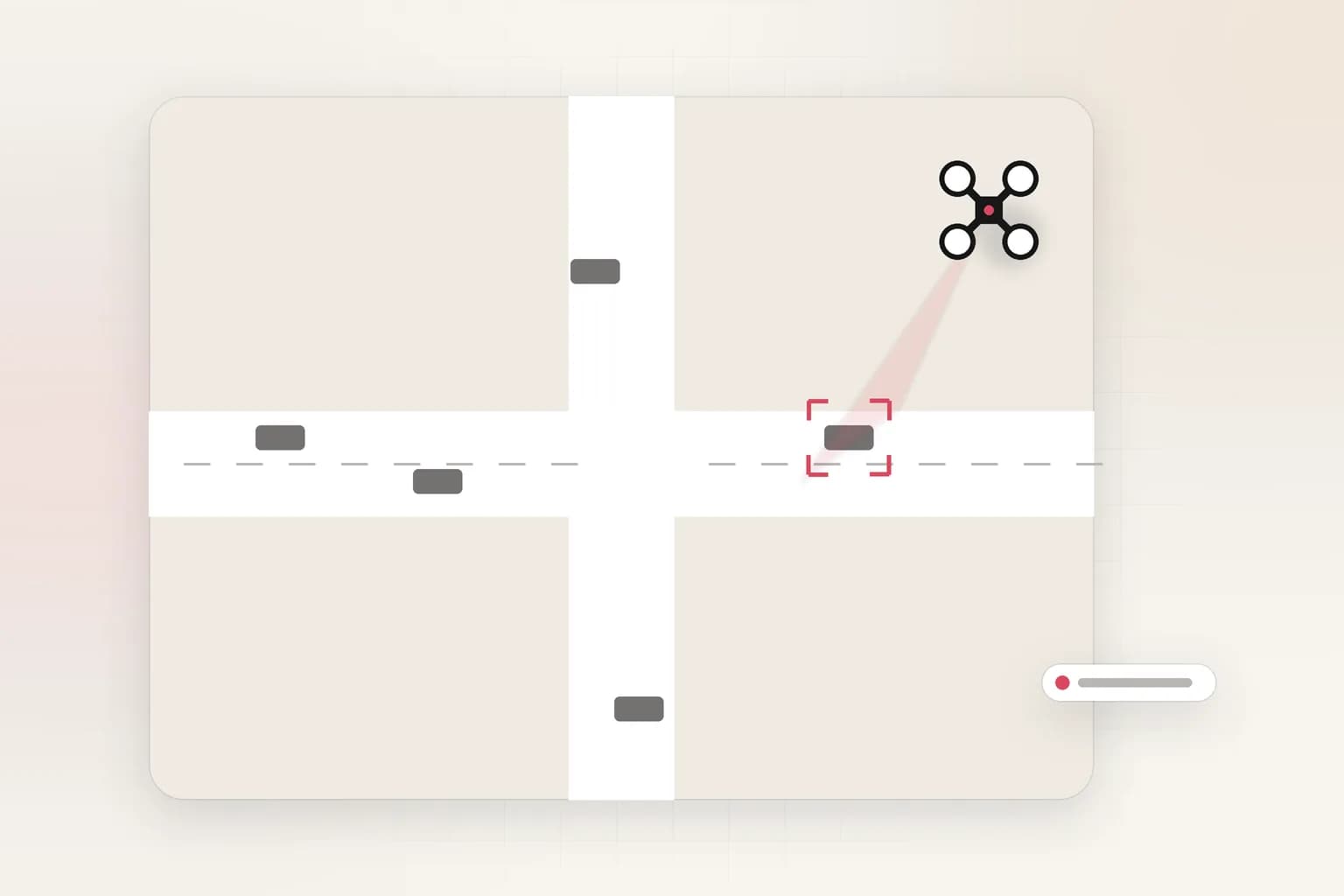
On November 17, 2026, Metro Nashville told council that loaned Skydio X10 drones averaged two-minute arrivals versus 15 for officers on 98% of 360 calls. The trial stopped at 30 flight days when overtime ran low; 35 evidence clips remain and other footage deletes after seven days.
On November 17, 2026, Metro Nashville Police told a Metro Council committee that three Skydio X10 drone as first responder (DFR) aircraft reached 911 calls in about two minutes on average, while patrol officers took about 15 minutes, according to DroneXL. Deputy Chief Greg Blair said drones arrived first on 98% of 360 calls for service during a summer trial that ran 30 flight days between May 26 and August 7, then stopped when overtime money ran low even though Skydio lent the aircraft free. For anyone who archives police drone video, the same briefing defined deletion windows, evidence holds and what a longer pilot would need from council.
The numbers sit beside a fresh Knoxville launch covered in our post on Knoxville DFR policy and public logs, and New Castle County, Delaware posting six months of DFR stats in November 2026, but Nashville's story is different. It is a metrics-heavy debrief, a budget ceiling, and a BL2026-1498 ordinance that may not match the calls the department publicized during the trial. Nashville's Community Review Board preliminary report on the DFR pilot and the department's DFR trial program page add official context beyond press coverage.
What did Nashville police report on November 17, 2026?
Blair presented results from a Madison Precinct roof launch site, with pilots working from the Community Safety Center at headquarters several miles away, DroneXL reports. Over the trial window the department logged 399 drone flights tied to 360 calls for service in 30 flight days.
The headline operational stats DroneXL attributes to Blair's slides:
| Metric | Figure reported |
|---|---|
| Average drone arrival | About 2 minutes |
| Average officer arrival | About 15 minutes |
| Calls where drone arrived first | 98% of 360 |
| Supervisor priority changes via live video | 11 calls |
| Officer responses cancelled | 18 (about 12 officer-hours saved) |
| Arrests attributed to trial | 30 |
| Fastest arrival | 9 seconds (call across the street from the precinct) |
Pilots flew at 200 or 400 feet depending on airspace, with the camera on the horizon during transit, DroneXL writes. Most calls clustered around Gallatin Pike and Old Hickory Boulevard, with Blair estimating about one minute of flight time per mile.
The department released two cases to media during the trial and, according to Blair, no drone footage. One involved a domestic assault where a drone followed a suspect for roughly 45 minutes until officers arrested him. The other was a CashApp robbery in Hermitage where the live feed helped locate two suspects. Those narratives matter because they are the incidents Nashville chose to explain the program publicly, even as council debate shifts to what a year-long pilot may legally cover.
Why did the trial end at 30 days if the drones were free?
DroneXL reports Skydio lent three drones with no contract and the city bought no aircraft. The department planned 30 to 45 flight days for the summer pilot. Blair told the committee it ended at 30 because overtime was running out.
That detail separates aircraft cost from staffing cost. DFR is not only capital expense. Pilots, supervisors watching live feeds and records staff managing exports all draw labor. Blair put operating a drone at about 14 cents a minute versus about 14 dollars a minute for a police helicopter, DroneXL reports, without a public breakdown of either figure.
The Nashville Community Review Board preliminary report noted gaps in the flight log, DroneXL writes. Through July 24 no drone flew on a Saturday, Sunday or Monday, and nothing flew for 26 straight days between June 11 and July 6. Weather, staffing and connectivity also grounded flights on other days, per Blair.
Council Member Sandra Sepulveda asked how many drones a countywide program would need given short battery life. Blair said the department was not there yet and wanted a calls-for-service study first, possibly with a third party. An earlier study years ago suggested nine drones, which Blair doubted would cover volume, DroneXL reports.
Compare that planning posture with Knoxville, where council approved a $9.4 million Skydio contract cap before docks went live. Nashville's summer trial ran on a legal opinion that a temporary-use exemption applied, DroneXL notes, while Ordinance BL2026-1498 passed third reading September 1, 2026 and the mayor approved it September 4. A longer program now needs a public hearing, and the ordinance narrows which incidents a council-approved pilot may include.
How does Nashville handle drone video retention and evidence?
For video teams, Blair's retention rules are the operational constraint. DroneXL reports:
- Pilots start recording when the drone is 800 to 1,000 feet from the scene and stop before it leaves.
- 35 videos remain held as evidence in pending criminal cases.
- Everything else was deleted after seven days, and Blair said that window could come down to three or four days.
That is a tighter clock than Knoxville's policy mismatch between 15 days on the program page and 15 business days in the SOP, described in our Knoxville DFR launch write-up. It is closer in spirit to Lewisville, where investigators discovered a flight-log gap that made it hard to know which case files to open, as we covered in Lewisville's DFR transparency mismatch.
Short retention pushes work to the first week after a flight. Supervisors who changed priorities on 11 calls and cancelled 18 officer responses still need an export trail if anyone revisits those decisions during discovery or complaint review. Our guide on how to write an incident report from video footage and the free incident report template mirror what prosecutors and internal affairs typically expect in the packet.
What does Metro Ordinance BL2026-1498 change for DFR?
DroneXL ties the council fight to BL2026-1498. After the ordinance, a pilot program requires a public hearing instead of relying on the temporary exemption MNPD used at launch.
The ordinance's permitted call list, as DroneXL summarizes it, includes:
- Active shooter incidents
- Hostage situations
- Active searches for missing persons
- Up to 10 days of a declared emergency or natural disaster
It does not list domestic violence or robbery, the two case types MNPD publicized. DroneXL notes nobody on the committee asked whether a council-approved pilot could answer the calls the summer trial actually flew.
The same ordinance, per DroneXL, also:
- Bans facial recognition
- Bans autonomous drones
- Bans third-party operators
- Requires cameras to stay off until the drone is on scene
Those rules align with the privacy posture other cities are adopting. They also mean live viewing is the main value during flight, and recorded review must happen quickly before deletion, unless a clip is flagged as evidence.
What do the equity and community findings show?
The Nashville Community Review Board found the two-mile zone around the Madison Precinct is 61.3% non-white, versus 46.0% for Davidson County, DroneXL reports. The board said that documents who lives under the flights, not intent, because every flight left one dock.
MNPD slides said the trial found no negative community impact, resting on a web-page email link and a check for complaints that found none, DroneXL writes. Council members pushed back. At-large member Delishia Porterfield said constituents felt the launch used a loophole. Member Bob Nash hoped council would extend the program. Jordan Huffman told Axios he wants expansion, DroneXL notes, though Axios was not retrievable from this environment when we checked.
Blair said community listening sessions would follow once more pilots train. For transparency teams, the open question is whether Nashville will publish a flight log comparable to Knoxville's portal commitment before scaling further.
How does Nashville compare with other DFR video programs?
| Program | Transparency hook | Retention signal |
|---|---|---|
| Nashville summer 2026 | Council briefing slides; no footage released | 7-day delete; 35 evidence holds |
| Knoxville 2026 | Public log; face/plate ban | ~15 day delete for non-evidence |
| Lewisville | Portal vs internal count gap | Dashboard lag affected retrieval |
| Evolver bundle buyers | Vendor package; unclear search | Depends on agency policy |
The pattern across cities is consistent with our Evolver DFR video review analysis: flight hardware and dispatch integrations arrive first, while search and retention stay local policy problems.
Vendor distribution is also shifting. Axon's Skydio deal made Axon the exclusive public-safety distributor in the United States and Canada, described in our Axon and Skydio coverage. Nashville's loaner aircraft sidestepped procurement for the summer, but a year-long pilot will not.
Where does Ceptory fit for DFR footage review?
Ceptory is built for recorded video after capture, not for flying aircraft or replacing CAD. If your agency policy allows exporting clips, you can upload them and use natural-language search and drone monitoring workflows to find moments across many short flights.
Honest limits:
- Ceptory does not publish a public flight log or tie clips to case numbers automatically.
- It does not override seven-day deletion or evidence holds. Export before the clock runs.
- Pricing is usage-based for indexing, with the first minutes free as listed on /pricing.
Teams that want live sharing on phones may also use vendor tools such as the BRINC LiveOps iOS app. Ceptory complements that stack when the question becomes what happened in the recording last Tuesday.
What should police video teams do now?
- Treat retention as a workflow, not a setting. If non-evidence footage deletes in seven days, assign an owner to export supervisor-reviewed flights the same shift.
- Link flights to case IDs early. Priority changes on 11 calls only help later if CAD or RMS numbers sit in the filename and log.
- Read BL2026-1498 against your call mix. If your pilot ordinance excludes robberies and domestic calls, document how summer flights differ from what council may authorize.
- Benchmark staffing, not only aircraft. Nashville stopped while drones were free because overtime ended. Model pilot hours before asking for docks.
- Test search on a sample week of exports before scale. Use how to review drone inspection footage faster as a checklist, adapted for incident clips.
Metro Nashville made a strong operational case on November 17, 2026: two minutes versus fifteen, and 98% first arrivals. The next fight is governance and cost, and the footage rules Blair described mean review teams have almost no slack after the propellers stop. If you need to find moments in exported DFR clips rather than scrub timelines, start at Ceptory and test on your own policy-compliant exports first.
Frequently asked questions
How fast did Nashville DFR drones reach 911 calls in the 2026 trial?
Deputy Chief Greg Blair told Metro Council on November 17, 2026 that Skydio X10 drones reached calls in about two minutes on average, versus about 15 minutes for patrol officers, according to DroneXL's report on his briefing slides.
What percentage of Nashville DFR flights arrived before officers?
DroneXL reports Blair said drones arrived first on 98% of 360 calls for service over 30 flight days between May 26 and August 7, 2026, with one miss where an officer was already on scene.
Why did Nashville stop its drone trial at 30 days?
The plan allowed 30 to 45 flight days. Blair told the committee the department ended at 30 because it was running out of overtime money, even though Skydio lent the three drones at no cost, per DroneXL.
How long does Nashville keep police drone video?
Blair said pilots hold 35 videos as evidence in pending cases and deleted everything else after seven days, and noted the window could shrink to three or four days, according to DroneXL.
Does Nashville's DFR ordinance allow domestic violence or robbery calls?
Ordinance BL2026-1498 lists permitted call types including active shooter, hostage, missing persons and declared emergencies up to 10 days. DroneXL reports domestic violence and the publicized CashApp robbery are not on that list.
Can teams search Nashville DFR footage after it is exported?
Yes, if your agency policy allows it. Ceptory indexes uploaded clips so investigators can search scenes and speech in natural language. It does not replace flight logs, CAD linkage or retention rules your department sets.
Ceptory
Search your own footage in plain language. The free tier indexes 60 minutes of video.
Related reading
Keep reading
Security & Surveillance · 8 min read
New Castle County DFR: 89.6% First on Scene, No Retention Days
Read article
Security & Surveillance · 10 min read
Knoxville DFR Drones Launch: No Face or Plate Scans, Public Log
Read article
Drone & Aerial · 8 min read