
Loading dock incident review
Investigate loading dock incidents with scene-level retrieval and faster review handoff.
Security teams can search vehicle arrivals, personnel movement, access violations, and sequence-of-event changes without replaying every camera angle manually.
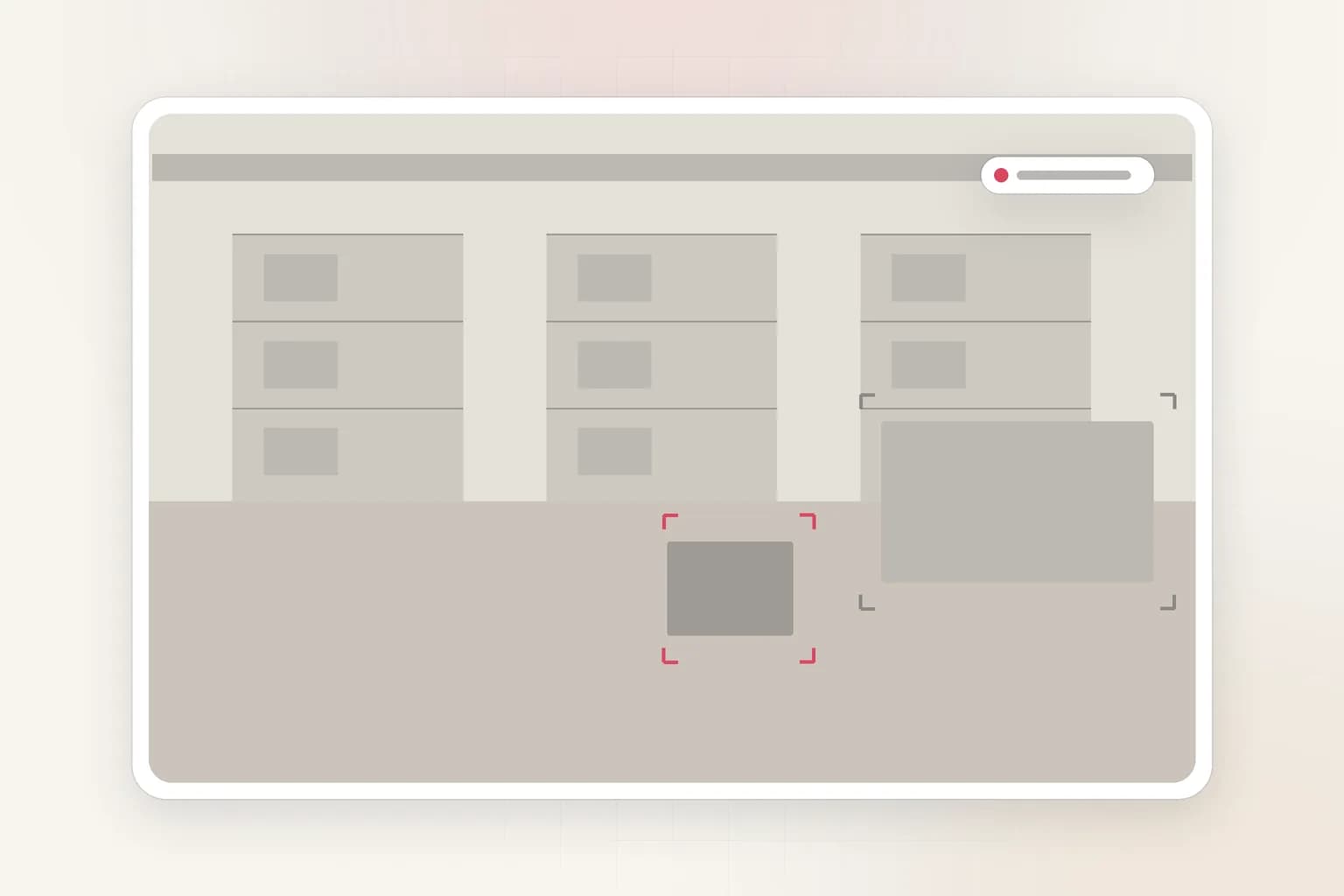
Investigation mode
Cross-camera
Trace the same sequence across multiple dock, yard, and gate cameras.
Review trigger
Event-first
Start with the relevant event instead of scrubbing raw timelines.
Analyst output
Case-ready
Hand investigators summaries, clips, and confidence-backed markers.
The problem
After an incident, security teams often spend too much time correlating cameras, replaying footage, and reconstructing the order of events across people, vehicles, and access points.
The outcome
Ceptory shortens the path from alert to review by indexing temporal context, scene changes, and structured signals into one retrievable surface.
Signals
What Ceptory indexes
Loading docks generate a high volume of activity and handoffs. Ceptory helps teams isolate the exact sequence around an incident so investigations begin with context instead of raw surveillance timelines.
- Vehicle arrival, dwell time, departure, and route changes
- Personnel movement around restricted access zones
- Object transfer, package placement, and abnormal pause patterns
- Cross-camera event ranking and operator review handoff
Workflow
One review path from ingest to action
- 1
Collect dock and perimeter footage
Index the cameras tied to dock entrances, staging areas, gates, and adjacent yard activity.
- 2
Reconstruct the event sequence
Link movement, object handling, and timing into one reviewable narrative across feeds.
- 3
Prioritize analyst review
Rank the segments that best explain the incident and attach confidence or anomaly context.
- 4
Package for downstream investigation
Export the incident sequence into security tooling, ticketing systems, or investigation notes.
Outputs
What your team gets back
Incident package
A concise set of clips, event markers, and narrative context for investigators.
Alert review summary
Operator-facing explanation of what changed, when, and where review should begin.
Case export
Structured output ready for internal case systems and evidence workflows.
Governance
Deployment and review
Deployment
- Retain segmented video controls for restricted facilities and security operations teams.
- Support private cloud or on-prem deployment where surveillance governance requires it.
- Preserve chain-of-review context with role-based access and export boundaries.
Review loop
- Analysts stay in control of final incident classification and escalation.
- Operators can verify system-ranked segments before opening a case.
- Investigation teams receive context-rich outputs rather than isolated clips.
Related
Explore adjacent workflows
Workplace
CCTV productivity monitoring
Ceptory helps operations teams search camera footage, flag process delays, and quantify floor activity with structured outputs instead of endless playback.
Learn more
Media
Archive search and highlights
Ceptory helps editorial teams retrieve exact moments, package clips quickly, and move from archive search to production-ready outputs with less manual sorting.
Learn moreLoading dock incident review execution model
This use case is documented for teams deploying enterprise video intelligence in real operations with clear accountability, review controls, and measurable outcomes.
Use the workflow details to align platform teams and business owners on implementation scope, integration, and KPI tracking.
- Operational event definitions and review boundaries.
- Integration path into enterprise systems and reporting workflows.
- Outcome metrics for rollout quality and sustained performance.
Get started
See loading dock incident review on your footage
Bring a sample and we'll index it live, then walk through search, review, and outputs.